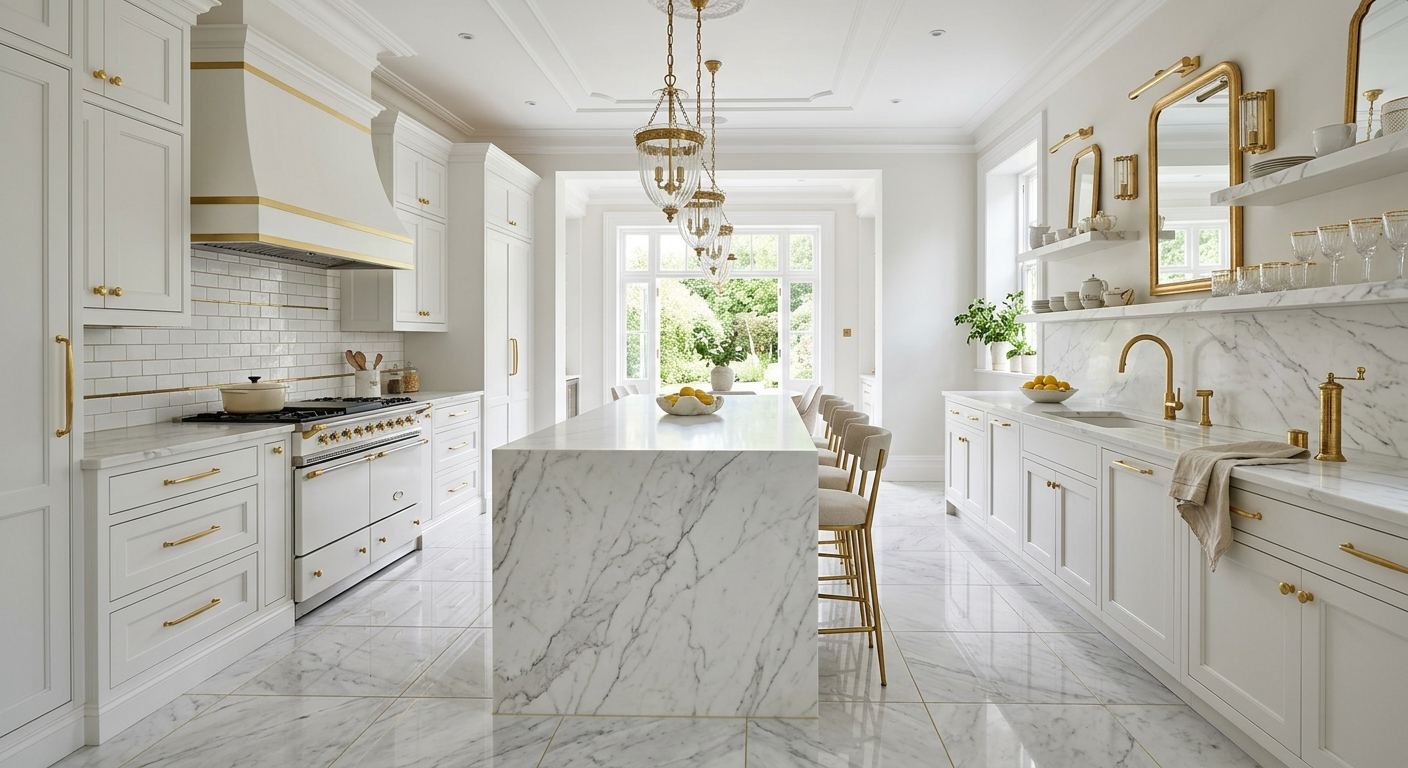
Kitchen renovation options and costs in Riverwood
Riverwood homeowners typically face a wide spread of kitchen renovation pricing, even when the kitchen size looks similar. With a population of 9,008 in the city area (Statistics Canada, 2021 Census), many projects here are owner-occupied renovations where resale expectations and day-to-day usability matter. In the Lower Mainland–Southwest, the bigger driver is that many households target a finish level aligned with local buying power; when buyers see quartz/stone and tighter millwork details, renovation costs can feel more “recoverable” at resale. The Lower Mainland–Southwest market also has more contractor availability than smaller interior centres, which helps keep scheduling competitive—but it doesn’t eliminate price swings, because higher-demand neighbourhoods often push labour pricing upward.
Climate plays a secondary role: Riverwood sits in the marine West Coast environment, so moisture and coastal humidity can stress lower-quality laminates and poorly sealed seams over time. That said, homeowners still choose upgrades primarily because of home value and expected buyer taste rather than weather alone. You’ll notice this most in the near transit and growth corridors—the kinds of pockets where homes turn over more often—where contractors get booked for semi-custom cabinetry and stone upgrades.
Below is a practical comparison of common renovation tiers you’ll see in Riverwood quotes, so you can benchmark where your scope sits before you start comparing line items.
| Renovation Tier |
What's Included |
Typical Duration |
Price Range |
| Cosmetic refresh (paint, hardware, new appliances only) |
Cabinet paint or finish, new pulls/knobs, appliance swap, minor caulking/trim touch-ups, basic deep clean |
3–7 days |
$5,000–$18,000 |
| Mid-range full renovation (new cabinets, counters, sink, tile) |
Semi-custom or quality stock cabinets, new countertop (quartz or laminate), new sink/faucet, backsplash tile, disposal, updated trim and sealants |
3–5 weeks |
$40,000–$85,000 |
| High-end full renovation (custom cabinets, stone counters, island) |
Fully custom millwork, stone countertops (quartz/stone), island with upgraded lighting/electrical planning, feature backsplash, higher-end hardware and detailing |
6–10 weeks |
$85,000–$120,000 |
| Cabinet refacing only (new doors + drawer fronts, same boxes) |
Door and drawer front replacement, matching veneer/laminate wrap (where applicable), new hardware, adjusted soft-close hardware |
1–3 weeks |
$8,000–$35,000 |
| Countertop swap only (laminate to quartz or stone) |
Removal and installation of new countertop, sink cut-outs, edge profile change, reseal backsplash transition where needed |
3–10 days |
$12,000–$35,000 |
| Backsplash tile installation only |
Demo (as required), waterproofing/underlayment, tile set and grout, trim and caulking, cleanup |
3–7 days |
$1,500–$6,000 |
Prices are estimates only and vary by project scope, site access and material selection.
What affects the price of kitchen renovation in Riverwood
In Riverwood and across the Lower Mainland–Southwest, the same “kitchen refresh” can come in 30–50% higher or lower depending on how the quote is built. That spread happens because Lower Mainland–Southwest projects are often priced based on the expected finish tier (and the value of the home and buyer expectations), while British Columbia labour and material costs can shift with demand. Climate is rarely the primary cost driver here—contractors price the work around cabinetry complexity, stone fabrication, and whether you’re changing plumbing and electrical rather than simply dealing with humidity.
Local home value and median income shape what homeowners choose: in higher-value pockets of the Lower Mainland–Southwest, many owners default to quartz or stone counters and semi-custom cabinetry because those upgrades match what buyers expect and can be easier to justify on resale. In more modest tiers, laminate and stock cabinetry dominate for better ROI. The biggest unpredictable swing in Riverwood happens when you change the layout: removing a wall, adding an island, or moving a gas line or plumbing run. Those moves can push labour hours, material waste, and inspection requirements up quickly—even if the finishes stay “mid-range.”
Concrete examples you’ll hear from Riverwood contractors: first, an older home with out-of-square walls can add rework to cabinet installation and backsplash tiling; second, coastal humidity can highlight poor sealing at countertop-to-cabinet seams, which often leads to a higher-quality installer and premium silicone/edge detailing (costing more upfront but preventing callbacks). If your budget is closer to a mid-range full renovation (often around the $40,000–$85,000 band), keep the plumbing/gas location stable to protect the cost. If you’re aiming for high-end full renovation with an island and custom millwork, $85,000–$120,000 is where those layout and cabinet details usually land.
| Price Factor |
Why It Matters |
Cost Impact |
| Cabinet tier — stock vs. semi-custom vs. fully custom millwork |
Custom boxes, tailored heights, speciality storage, and complex corner work drive both labour and material cost |
Stock refreshes can stay lower; moving up can add roughly $15,000+ to a full rebuild in many scenarios |
| Countertop material — laminate vs. quartz vs. granite vs. stone |
Fabrication complexity, edge profiles, and slab selection affect turnaround time and installation requirements |
Laminate is typically the lowest-cost; stone upgrades commonly add several thousand dollars to the countertop line |
| Layout change — wall removal, island add, plumbing/gas move |
Structural and MEP coordination adds trades time, engineering/permits (when applicable), and inspection scheduling |
Can increase total project cost materially, often exceeding finish material differences |
| Appliance package tier — builder vs. mid-range vs. pro-grade |
Sizes, ventilation requirements, and electrical/gas specs vary and may require extra prep |
Mid-range/pro-grade packages can raise overall cost by thousands depending on brand and venting |
| Flooring — refinish existing vs. full replacement |
Refinishing avoids demo waste; replacement adds underlayment, smoothing, and finishing time |
Replacement is usually higher both in labour and materials; refinish is typically cheaper |
| Backsplash — ceramic tile vs. marble vs. full-height slab |
Thinset/installation time, pattern matching, and substrate prep can change dramatically by material |
Premium looks can add several thousand dollars versus basic tile |
| Electrical — new circuits for island, under-cabinet lighting |
Island lighting, dedicated outlets, and GFCI requirements affect the scope of work |
Often adds cost beyond “appliance-only” swaps; can be a meaningful line item |
| Permit fees and licensed trade requirements |
Some work requires permits and licensed trades, adding scheduling and administrative time |
Costs vary, but the compliance step can add both money and timeline risk |
Permits & regulations in British Columbia
In British Columbia, a countertop swap or a cabinet swap/replacement generally does not require a building permit, as long as you’re not changing the building’s core systems. However, in Riverwood (Lower Mainland–Southwest), the work that does trigger permits and licensed trades usually includes moving plumbing supply/drain lines, relocating gas appliances (stove/range hood with gas), removing a load-bearing wall, or adding new electrical circuits for an island, vent hood, or under-cabinet lighting upgrades. For homeowners, the key is that “looks like a refresh” can still become permit-required once you touch where water, gas, or power run through the walls and floors.
How to verify and protect yourself step-by-step: (1) ask for the contractor’s licence/registration details relevant to the trade and confirm it through the official online registry for their category; (2) request a current certificate of liability insurance naming you as an additional insured where appropriate; (3) ask for proof of coverage for worker protection—coverage documentation is commonly handled through the relevant workplace insurance/clearance letter process, and you should request the most current paperwork before work starts; (4) confirm which items the contractor will pull permits for (if any) and list it in the written contract; (5) ensure the scope matches the permit plan so inspections align with what was built.
Always confirm responsibility in writing—permit responsibility is not something you want settled after demo day.
Cabinets, countertops and layout decisions in Riverwood
In a Riverwood kitchen renovation, the three decisions that most affect both your budget and how long the renovation feels “worth it” are cabinet tier, countertop material, and layout changes. Cabinet tier sets the foundation: stock cabinets usually install fastest and cost less, semi-custom is the mid-range sweet spot for better fit, and custom millwork gives the tightest design control (and highest cost). Countertops matter for durability and day-to-day maintenance in the Lower Mainland–Southwest climate—especially around the sink and dishwasher where moisture exposure is constant. Laminate can be economical, quartz offers strong stain and scratch resistance with easier upkeep, while natural stone options like granite are durable but can require more attention at seams and edges.
Layout changes are the real cost lever. Removing a wall or adding an island can be justified when it improves traffic flow, creates functional zones for cooking and cleanup, and supports better lighting and appliance placement. But moving plumbing or gas is where budgets often drift. For a $40,000–$85,000 mid-range build, it’s usually smarter to keep existing sink locations stable and update cabinets and finishes around them. If you move plumbing/gas and add an island while also going custom, you’re typically entering the $85,000–$120,000 high-end band.
Dollar example: if your plan is to upgrade from laminate to quartz, the countertop-only swap can often fit into the countertop swap-only range (commonly $3,000–$12,000 for the install line item, with the total depending on material and sink cut-outs). But if you also relocate the sink and add a new island run, that convenience upgrade can quickly outweigh the countertop savings—because the plumbing/electrical coordination and permit scheduling become the primary cost driver.
| Option |
Durability |
Maintenance |
Best For |
Price Range |
| Stock cabinets (big-box) |
Good for normal household wear; limited custom sizing can affect fit |
Simple wipe-down; watch for moisture at edges if seams aren’t well sealed |
Fast refreshes and budgets needing predictable lead times |
$8,000–$25,000 |
| Semi-custom cabinets (local dealer) |
Strong build quality; better corner/cabinetry options improve long-term usability |
Low effort; keep hardware tightened and seams caulked around wet zones |
Most Riverwood homeowners aiming for a durable “mid-range” look |
$20,000–$55,000 |
| Custom cabinets (local millwork shop) |
Highest fit and finish; designed for awkward spaces and full storage optimization |
Low day-to-day maintenance; premium finishes can be more forgiving but still need sealing care |
Design-led kitchens with complex storage/island details |
$45,000–$90,000 |
| Laminate countertop |
Decent for everyday use; vulnerable at seams if water gets underneath |
Wipe clean; avoid prolonged standing water at edges |
Budget-conscious renos where value is prioritized over premium feel |
$3,000–$7,000 |
| Quartz engineered countertop |
Very durable; resists stains and scratches better than laminate in wet cooking zones |
Low maintenance; routine cleaning, reseal is typically not required like some natural stone |
“Set it and forget it” kitchens that still look high-end for resale |
$7,000–$12,000 |
| Granite / natural stone countertop |
Extremely durable; can be sensitive at cut edges and requires proper installation/sealing |
Occasional sealing and careful seam management recommended |
Homeowners wanting true natural variation and premium character |
$9,000–$15,000 |
| Butcher block countertop |
Durable when maintained; susceptible to water absorption and edge wear without care |
Regular oiling and prompt wiping after wet tasks |
Warm, casual kitchens; best when you’re ready to maintain |
$6,000–$11,000 |
| Marble countertop |
Beautiful but softer than quartz; can etch/stain if not protected |
Extra care: sealing, prompt cleaning, and avoiding abrasive/acidic spills |
Statement kitchens where homeowners want a luxury look and maintenance habits |
$12,000–$20,000 |
How to choose a kitchen renovation contractor in Riverwood
Choosing a contractor in Riverwood comes down to verification, clarity, and control over scope. Start by confirming British Columbia trade licensing and insurance. Ask for: (1) their specific licence details for the trades they’re performing or subcontracting; (2) a current certificate of liability insurance; and (3) workplace coverage documentation so you know the crew is protected while working on your property. Then check the paperwork for currency and match the certificate names to the contracting business on your quote.
For pricing, insist on 2–3 itemised written quotes—not a single lump sum. You want a breakdown that shows labour versus materials (cabinet supply, countertop fabrication/install, tile labour, plumbing/electrical allowances, disposal, and any allowances for fixtures). Carefully read what’s excluded: does the quote include permit pulling (when needed), protective floor covering, debris removal, and disposal fees? A clean scope prevents “change order creep” when the contractor discovers what your kitchen’s framing looks like after demo.
Warranty matters as much as price. Ask for the workmanship warranty length and whether it’s transferable if you sell your home. Also confirm what manufacturer warranties cover for cabinets, countertop materials, and appliances. Finally, payment schedule: never pay more than 10–15% upfront; hold back a portion until the job is complete and deficiencies are corrected. Get the start date and an estimated completion timeline in writing so you can plan for cooking downtime.
- Request licence verification details for each relevant trade (or confirmation of reputable subcontractors).
- Confirm certificate of liability insurance is current and covers the scope of the work.
- Ask for workplace coverage documentation/clearance letter for the active crew.
- Get at least 2–3 itemised quotes with labour and materials separated.
- Ensure the quote lists disposal and debris removal—demo creates a lot of waste.
- Ask whether permits are required for your specific scope and who pulls them.
- Confirm electrical/plumbing/gas allowances if you’re adding an island or moving fixtures.
- Confirm countertop fabrication lead times and installation scheduling assumptions.
- Verify warranty terms: workmanship, product/manufacturer, and transferability.
- Use a payment schedule that caps early deposits at 10–15%.
- Request a written start date and a completion estimate tied to lead times.
- Clarify change order process: written approvals, pricing method, and timeline impacts.
Red flags in Riverwood kitchens include: quotes that don’t specify what’s included in disposal and protections, “all-in” numbers with no itemisation, unclear responsibility for permits and inspections, warranties that only cover materials but not workmanship, and contractors asking for large upfront payments beyond 10–15% before demo.
Frequently asked questions — kitchen renovation in Riverwood
Quartz vs granite countertops — which is better?
In British Columbia (including Riverwood), quartz is often the practical “better” choice for most homeowners because it’s engineered for consistent performance—especially around the sink area where day-to-day moisture is constant. Quartz typically offers strong stain resistance and easier maintenance than granite, with fewer “surprise” differences from slab to slab. Granite is durable and gorgeous, but it’s natural stone, so it can vary and may require periodic sealing to keep it performing well. If you’re trying to stay within a mid-range budget, a quartz install commonly fits the countertop swap-only bands (often in the $3,000–$12,000 install range depending on edge work and cut-outs), while granite can run higher once fabrication and premium slabs are included. If you want a low-maintenance, resale-friendly finish, quartz usually makes the most sense for busy kitchens.
Should I reface or replace my cabinets?
Refacing can be a smart option when your existing boxes are solid and level, and when doors/drawer fronts are the main issue. It’s also a good way to refresh the look without full demo and without disturbing plumbing lines that may be hidden behind older cabinetry. In Riverwood, many homeowners choose refacing to control cost and timeline—cabinet refacing often lands in the $8,000–$50,000 range depending on scope and door styles. Replacement is usually better if the boxes are warped from moisture, if the layout is outdated (missing storage where it matters), or if you need major adjustments like full-height pantry solutions. If you’re unsure, ask contractors to assess the boxes for alignment and water damage before deciding.
Do I need a permit for a kitchen renovation in British Columbia?
Often, no permit is required for cabinet and countertop swaps in British Columbia, as long as you’re not altering plumbing, gas, structural elements, or electrical circuits. However, permits commonly come into play when you move plumbing supply or drain lines, relocate a gas appliance connection (including stove/range hood with gas), remove a load-bearing wall, or add electrical circuits—like new outlets for an island or additional lighting requiring new wiring. In Riverwood, homeowners sometimes assume a “cosmetic” job is exempt, but if you change where fixtures sit, it can trigger permitting and licensed trade requirements. The safest approach is to confirm permit responsibility with your contractor in the written contract before work starts, so there are no surprises during inspections.
What's the ROI on a kitchen renovation?
ROI depends less on climate and more on fit-for-purpose finishes and what buyers in your area expect to see when they tour homes. In the Lower Mainland–Southwest, many buyers respond strongly to modern cabinetry hardware, durable countertops (often quartz/stone), and clean layouts that function well day-to-day—especially for resale. That said, ROI won’t be identical across neighbourhoods and isn’t guaranteed: some homeowners overbuild relative to their home’s price band. A common practical approach in Riverwood is to target a mid-range full renovation scope (often $40,000–$85,000) or keep changes “finish-focused” rather than layout-heavy, which protects value. High-end upgrades with custom millwork and stone islands can look fantastic, but they’re best aligned with a home that can carry that finish tier.
How do I budget for a kitchen renovation?
Start with a tiered budget that matches the scope you actually want, then build in a realistic allowance for changes once demo begins. In Riverwood, a cosmetic refresh might stay in the $5,000–$18,000 range when you’re only painting, swapping hardware, and replacing appliances. If you want new cabinets and counters plus a backsplash, budgeting within the $40,000–$85,000 mid-range band is common. For an island, custom cabinets, and premium stone, plan for the $85,000–$120,000 high-end band. Also plan for “soft costs” that aren’t always obvious: countertop fabrication lead times, electrical/plumbing allowances if you add under-cabinet lighting or outlets, and potential subfloor/water-damage repairs in older kitchens. Get itemised quotes and confirm who handles permits (when required) so your budget is anchored to the actual work.
Can I move my kitchen sink or stove?
You can often move a sink or stove, but it’s where cost and permitting risk usually increases in British Columbia. Moving a sink typically means relocating plumbing supply and drain lines, and that work often requires permits and licensed trades. Moving a stove can mean gas line relocation (if you have gas), which must be done by a licensed gas fitter, and it can involve inspections. If you’re in Riverwood and considering an island, moving these fixtures can also affect electrical planning for outlets, lighting, and ventilation—adding time coordination with other trades. If your goal is to control costs, many homeowners keep the sink location stable and redirect cabinetry and finishes around it, while adding an island or improving storage without changing plumbing/gas runs.