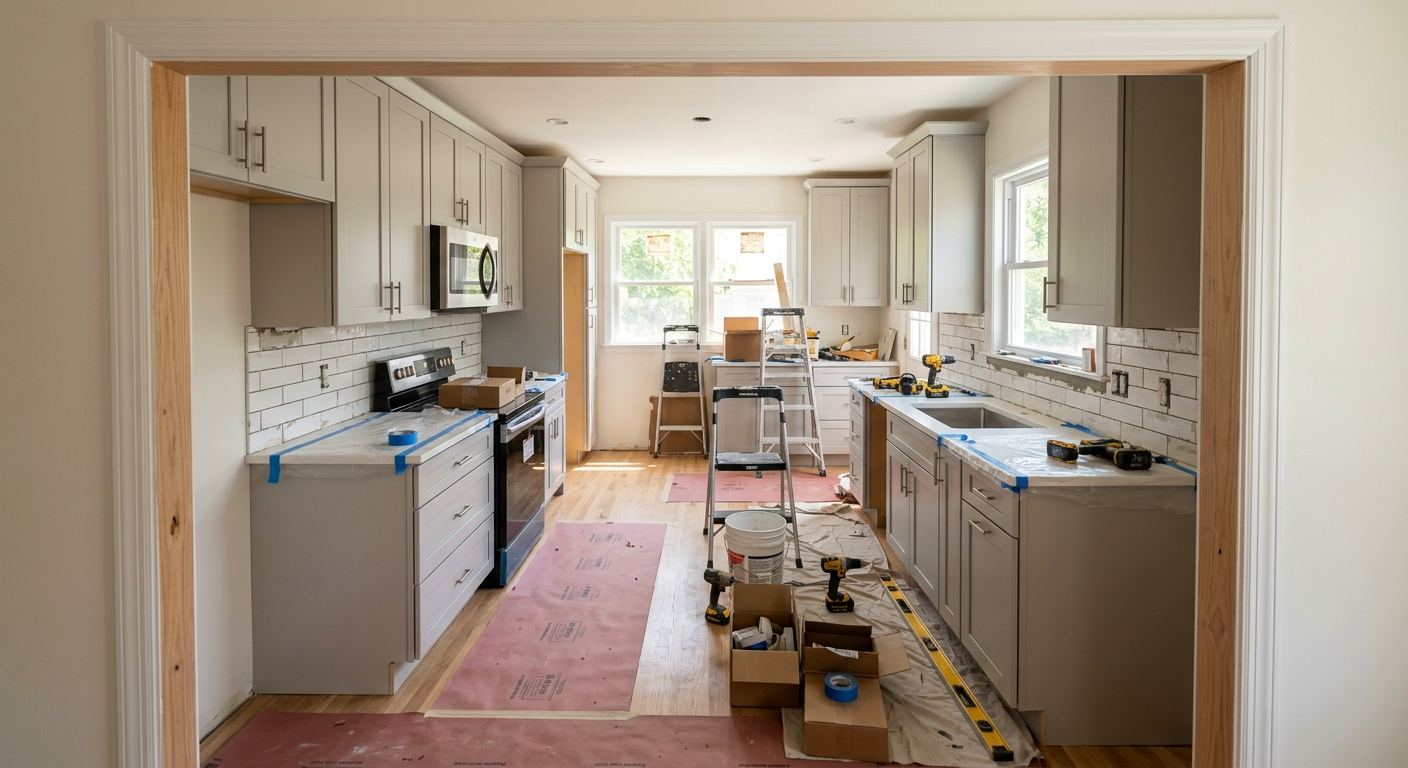
Kitchen renovation options and costs in Morningside
Morningside is a neighbourhood where homeowners often renovate with resale in mind, and that reality shows up in the way kitchen budgets get allocated. With a population of 17,455 (Statistics Canada, 2021 Census), the community draws a steady mix of families who want practical storage, bright finishes, and a layout that works with everyday cooking. In the broader Toronto economic region, kitchen projects typically track with local home values and household income—meaning finish choices tend to be more ambitious than you’d see in more price-sensitive pockets. In higher-value areas around Toronto and the GTA, it’s common to invest roughly 8–15% of home value into a kitchen, which nudges budgets toward quartz or natural stone, upgraded appliances, and semi-custom cabinetry.
Toronto’s local market dynamics also influence renovation costs: contractor availability is strong, but demand spikes when interest-rate moves or spring home-selling season affects scheduling. Climate matters less for raw material pricing than many people expect; however, Ontario’s freeze–thaw cycles can accelerate wear at seams and at exterior-adjacent walls, so homes that sit near the boundaries of older foundation systems may see slightly higher labour for careful air-sealing and trim work. In Morningside, demand is especially steady in the core near transit and established retail streets, where homeowners commonly refresh kitchens for function and brightness rather than a complete gut on the first pass.
To help you compare realistic project scopes, use the bands below as a starting point before you request itemised pricing.
| Renovation Tier |
What's Included |
Typical Duration |
Price Range |
| Cosmetic refresh (paint, hardware, new appliances only) |
Cabinet paint or repaint, new hardware, appliance swap, minor caulking and touch-ups; excludes cabinet box replacement and countertop replacement |
1–3 weeks |
$8,000–$18,000 |
| Mid-range full renovation (new cabinets, counters, sink, tile) |
Semi-custom or quality stock cabinets, countertop installation, undermount sink, faucet, backsplash tile, flooring refresh or new flooring allowance, disposal/trim carpentry; no major structural changes |
4–8 weeks |
$25,000–$60,000 |
| High-end full renovation (custom cabinets, stone counters, island) |
Custom cabinetry, premium quartz or natural stone, full backsplash scope, island build with upgraded finishes, coordinated appliance package, enhanced lighting, and more extensive carpentry |
8–14 weeks |
$60,000–$90,000 |
| Cabinet refacing only (new doors + drawer fronts, same boxes) |
New door/drawer fronts, veneer/laminate wrap, hardware upgrade, re-usable cabinet boxes where sound; excludes counter work unless bundled |
2–5 weeks |
$8,000–$35,000 |
| Countertop swap only (laminate to quartz or stone) |
Remove existing top, new countertop fabrication/installation, edge finishing, reseal and caulk; excludes backsplash demo unless included |
1–3 weeks |
$3,000–$15,000 |
| Backsplash tile installation only |
Tile supply/installation, surface prep, waterproofing as needed, trim and finishing; excludes cabinet/counter replacement |
1–2 weeks |
$2,000–$10,000 |
Prices are estimates only and vary by project scope, site access and material selection.
What affects the price of kitchen renovation in Morningside
Even when homeowners ask for the same kitchen “look,” Toronto-area quotes can swing by 30–50% because pricing is driven by the decisions that are hardest to standardize: cabinet tier, countertop material, and whether the layout forces plumbing, electrical, or venting changes. In Morningside and the wider Toronto economic region, local home values and household income tend to determine the finish tier far more than climate. Where buyers and owners expect higher-end finishes, kitchens are often upgraded toward quartz or natural stone and semi-custom cabinetry, because the perceived value carries through resale. In more price-sensitive areas nearby, laminate tops and stock or refaced cabinets are more common, keeping budgets anchored closer to the lower end—without sacrificing a functional layout.
Layout changes add the biggest uncertainty regardless of finish level. Moving a gas line, relocating plumbing supply/drain, or removing a wall can expand demolition time, require rough-in adjustments, and trigger inspection scheduling—each one can push labour costs well beyond what homeowners expect. For example, converting a basic L-shape into an island layout may start near mid-range full renovation pricing of $25,000–$60,000, but once you add new under-cabinet electrical and adjust the drain route, it can quickly drift toward the higher end of the regional band.
In Morningside specifically, three cost drivers come up often. First, older cabinetry and subfloors can make flooring replacement more likely, especially if the kitchen was updated partially years ago. Second, homes with exterior-adjacent kitchens may need extra attention to air-sealing and trim alignment, because freeze–thaw cycles can reveal gaps around sink and backsplash transitions. Third, supply timing matters: premium stone or custom doors can extend the critical path, which can increase site overhead. If you want to control risk, decide early whether you’re staying in a cosmetic refresh band (often $8,000–$18,000) or committing to a full mid-range scope with new cabinets and counters.
| Price Factor |
Why It Matters |
Cost Impact |
| Cabinet tier — stock vs. semi-custom vs. fully custom millwork |
Pricing changes with material quality, hinge/box construction, door styles, and how well the system fits your walls without extra labour |
Can shift the cabinet portion by several tens of thousands on full renovations |
| Countertop material — laminate vs. quartz vs. granite vs. stone |
Material cost, fabrication complexity, and edge profiles drive total installed price |
Laminate stays lower; quartz/stone commonly adds a meaningful mid-to-high range premium |
| Layout change — wall removal, island add, plumbing/gas move |
Rough-in work multiplies labour steps and can require permits and inspections |
Most unpredictable cost; often the difference between mid-range and high-end totals |
| Appliance package tier — builder vs. mid-range vs. pro-grade |
Electrical requirements, ventilation needs, and dimensions affect installation time and potential modifications |
Upgrades can add thousands and influence cabinetry adjustments |
| Flooring — refinish existing vs. full replacement |
Kitchen demo can uncover subfloor issues; replacement pricing includes underlayment and trim |
Replacements can add several thousand depending on existing condition |
| Backsplash — ceramic tile vs. marble vs. full-height slab |
Coverage area, substrate prep, and material fragility affect time and risk |
Full-height and natural stone typically raise the tile/finish budget |
| Electrical — new circuits for island, under-cabinet lighting |
Adding circuits requires licensed work and inspection scheduling; fixtures also affect layout |
Often adds cost beyond cosmetic work and can affect timing |
| Permit fees and licensed trade requirements |
Work that touches plumbing, gas, load-bearing structure, or electrical circuits may require permits and trade coordination |
Adds administrative cost and scheduling friction, not just direct fees |
Permits & regulations in Ontario
In Ontario, not all kitchen work requires permits. Typically, cabinet and countertop swaps—when you’re keeping existing connections and not changing the rough-in—do not require a permit. That means you can usually replace cabinets, change the countertop surface, and install a new backsplash without the permit process. The permit and inspection pathway starts when you change plumbing, gas, electrical supply, or structural elements.
Work that typically does require permits and licensed trades includes: moving plumbing supply or drain lines; relocating a gas stove or making changes to the gas connection/venting; removing a load-bearing wall (or making changes that affect structural support); and adding new electrical circuits (for example, new outlets or under-cabinet lighting runs that require circuit work). Gas work must be performed by a licensed gas fitter, and electrical work must be done by a licensed electrician—both generally require inspections after rough-in and before close-up, depending on the scope.
For a homeowner in Morningside, the verification steps are simple and should be done before you sign: (1) ask the contractor for their Ontario licence numbers and trade licensing credentials; (2) request a current certificate of insurance showing liability coverage; (3) confirm workers’ compensation coverage (WSIB/WCB) documentation; and (4) verify that the clearance/insurance documents match the contractor name on the quote. Where applicable, you can also check licensing/registration details through Ontario’s online registries used by employers and homeowners for due diligence.
Always confirm permit responsibility in writing—the contract should specify who pulls permits, who pays, and who schedules inspections.
Cabinets, countertops and layout decisions in Morningside
The three biggest decisions in a Morningside kitchen renovation are cabinet tier, countertop material, and whether you change the layout. First, cabinet tier determines not just cost but how your kitchen performs day-to-day. Stock cabinets are fastest and usually the lowest-cost path, but they can be harder to fit perfectly if your walls aren’t straight—especially in older homes where plaster or out-of-square framing shows up after demo. Semi-custom cabinets are the most popular mid-range option in the Toronto resale market because they balance speed, fitting, and styling. Custom cabinets bring the best fit and storage planning, which matters if you want pantry storage, deeper drawers, and a clean, built-in look around awkward corners.
Second, countertop material changes both maintenance and perceived quality at resale. Laminate is budget-friendly and forgiving for DIY caretaking, while quartz is a strong “busy kitchen” choice because it’s durable and easier to keep consistent across a cooking zone. Natural granite/stone offers a premium look but requires more care and careful installation. Finally, layout changes should be justified by space gain. In Toronto-area homes, adding an island or opening a wall can help the kitchen feel brighter for entertaining and everyday use—but it’s most cost-effective when your existing plumbing and venting routes allow efficient relocation.
Here’s a practical dollar example: upgrading laminate to quartz commonly moves you from a lower countertop-only band into a mid-range full installation feel—often measured in thousands. If your kitchen is otherwise staying as-is, that upgrade can be a high-value choice. If you’re already paying for new cabinets, moving plumbing for a new sink location can outweigh countertop savings; a layout shift can push the project beyond a $25,000–$60,000 mid-range target and toward higher totals depending on electrical and rough-in requirements.
Toronto’s freeze–thaw weather also reinforces why clean transitions matter: good sealing under sink plumbing, properly finished backsplash edges, and well-aligned toe-kicks reduce moisture intrusion risk through seasonal temperature swings.
| Option |
Durability |
Maintenance |
Best For |
Price Range |
| Stock cabinets (big-box) |
Good everyday durability; limited custom fit if walls aren’t square |
Basic cleaning; avoid harsh solvents on finishes |
Fast timelines, straightforward layouts, first-time upgrades |
$8,000–$22,000 |
| Semi-custom cabinets (local dealer) |
Very good durability with better door/drawer options and sizing flexibility |
Low—regular wipe-down and hardware tightening |
Most Ontario resale-minded renovations and balanced budgets |
$18,000–$40,000 |
| Custom cabinets (local millwork shop) |
Excellent durability with tailored storage and precise finishing |
Low to moderate; quality hinges and hardware help keep maintenance minimal |
Unique spaces, premium buyers, maximum storage and perfect fit |
$30,000–$65,000 |
| Laminate countertop |
Moderate durability; seams and edges are the weak points if not installed well |
Easy daily cleaning; protect from heat and moisture at seams |
Cost control and clean aesthetics on a refresh |
$3,000–$6,000 |
| Quartz engineered countertop |
High durability; resistant to staining and everyday impact |
Minimal maintenance; wipe clean, avoid abrasive pads |
Busy kitchens and homeowners targeting a strong resale look |
$5,000–$12,000 |
| Granite / natural stone countertop |
Very durable with natural character; installation quality matters to prevent issues |
Periodic sealing may be needed depending on stone choice |
Premium aesthetics and distinctive finish patterns |
$7,000–$15,000 |
| Butcher block countertop |
Durable for food prep; susceptible to water damage without proper sealing |
Requires routine oiling and careful drying |
Warm, casual style homes and people who want a lived-in prep surface |
$4,500–$10,000 |
| Marble countertop |
Premium look; softer and more prone to etching than quartz/stone options |
Higher maintenance; requires careful cleaning and protection |
Low-impact households prioritizing luxury appearance |
$8,000–$15,000 |
How to choose a kitchen renovation contractor in Morningside
Choosing the right contractor in Morningside isn’t just about the lowest price—it’s about reducing risk on permits, workmanship, and trade coordination. Start with Ontario licensing and insurance checks. Ask for the contractor’s liability insurance certificate (confirm the coverage is current and the contractor is named correctly), and request workers’ compensation coverage documentation (WSIB/WCB) for anyone working on your site. If the project includes electrical or gas work, insist that the related licensed trades are identified in the scope and that their credentials are provided before work begins. If they can’t produce paperwork quickly, that’s your first warning sign.
Next, get 2–3 itemised written quotes—not a vague lump sum. A good quote breaks out labour and materials by line item: demolition, framing/carpentry, cabinet installation, countertop fabrication/installation, tile/backsplash, electrical scope, plumbing scope, disposal, and any permit coordination. Then read the exclusions closely: is permit pulling included or charged separately? Is waste removal/disposal included? Are demolition/patch and paint repairs part of the scope or “allowances”?
Warranty is where homeowners often get surprised later. Ask for workmanship warranty length and what it covers (for example, cabinet alignment, tile grout cracking due to prep issues, countertop installation support). Also confirm product/manufacturer warranties and whether they transfer to the homeowner. For payment terms, never pay more than 10–15% upfront; keep a holdback until key completion items are done and punch-list corrections are addressed. Finally, demand a written timeline with start date and completion estimate, including when cabinets and countertops will arrive so you can avoid schedule gaps.
- Verify Ontario licensing/credentials and request them in writing.
- Confirm liability insurance and WSIB/WCB coverage documents are current.
- Use itemised quotes (labour + materials) rather than one total number.
- Check whether demolition, haul-away, and floor protection are included.
- Clarify who pulls permits and who pays permit fees.
- Confirm inspections are scheduled and who attends them.
- Ask who supplies dumpsters and covers disposal requirements.
- Confirm electrical and plumbing scopes are included when you add outlets/lighting/sink relocation.
- Get countertop lead-time estimates and installation dates.
- Request a workmanship warranty in writing, not “verbal assurance.”
- Ensure the contract lists payment milestones and the holdback amount.
- Ask for a detailed schedule showing inspection/rough-in timing where needed.
In Morningside, common red flags include: contractors who won’t show insurance/WSIB documentation; quotes that omit permit responsibility while proposing plumbing/gas/electrical changes; “allowance” items that are too low (especially for tile, floors, or countertops) without clear upgrade options; an unclear schedule for cabinet and countertop lead times; and payment requests that ask for large upfront deposits beyond 10–15%.
Frequently asked questions — kitchen renovation in Morningside
Should I renovate my kitchen before selling in Morningside?
In Morningside, it usually makes sense to renovate before selling when your kitchen shows clear wear, outdated layouts, or functional issues that buyers notice quickly. A cosmetic refresh can help you present the space well, but if cabinets are sagging, counters are damaged, or the layout is cramped, buyers may discount the home anyway. For example, a mid-range full renovation with new cabinets and countertops often starts around $25,000–$60,000, and it tends to align with what resale-minded buyers expect in many GTA price points. If you’re unsure, focus on high-impact items: fresh cabinet faces, a durable countertop (often quartz), good lighting, and a clean backsplash. Your real decision should be driven by how “turnkey” your home needs to be and how competitive the listings are in your immediate pocket of the city.
What's the most popular kitchen style in Morningside right now?
Right now, the most common direction we see in Ontario—including Morningside—is a clean, modern look with warm neutrals: shaker-style cabinet doors, matte or satin hardware finishes, and bright, easy-to-clean backsplashes. Many homeowners choose quartz countertops to keep the look consistent and durable for everyday cooking. Layout-wise, open-concept feel is popular where walls allow it, or homeowners create a “visual openness” through better lighting and a more usable work triangle without necessarily removing structural elements. The popularity of these choices also comes from buyer expectations in the Toronto market: finishes that look current and perform well tend to show better in photos and during walk-throughs. If your budget is tighter, the same style can be achieved through refacing plus a quartz or upgraded laminate top, rather than starting from scratch.
How do I know if I need to update my kitchen plumbing in Morningside?
Plumbing updates are usually about condition and location, not age alone. You may need changes if you have slow drains, frequent leaks under the sink, inconsistent hot water at fixtures, corrosion around shut-offs, or water hammer noises. You also need to plan updates when you change the sink location, add an island with a sink, or replace older supply lines as part of the work. In many renovations, plumbing is “kept where it is” so you can limit cost and permit complexity. Remember: moving plumbing supply or drain lines typically requires permits and licensed trade involvement in Ontario, so your contractor’s scope matters. A quick way to identify issues is to have a plumber inspect shut-offs and test drainage during demolition planning. That avoids surprises after cabinets are installed.
What is the difference between a galley and open-concept kitchen?
A galley kitchen is a narrow, straight-through or U-shaped layout with counters on opposite sides, designed for efficiency in smaller spaces. An open-concept kitchen connects the cooking area to the living/dining space, usually achieved by reconfiguring walls, improving sightlines, and expanding usable space. In Morningside’s older housing stock, many kitchens start as galley-style, and turning them into open concept can be a bigger change when structural walls or venting routes are involved. Open concept can offer better entertaining flow and a brighter feel, but it can also raise costs because it may involve permits, electrical updates, and potential plumbing/gas coordination. If you don’t need to remove a wall, you can still improve a galley by adding lighting, optimizing storage, and selecting a countertop and backsplash palette that visually widens the space.
How do I get accurate kitchen renovation quotes in Morningside?
To get accurate quotes in Morningside, you need the same details on every bid. Start by creating a scope list: cabinet tier, countertop material, backsplash extent, flooring plan, appliance list, and whether you’re changing the layout (and which fixtures move). Request itemised quotes with labour and materials broken out, including demolition, waste disposal, electrical and plumbing scope, and countertop fabrication/installation. Also confirm whether permits are included and who is responsible for pulling them. If you’re budgeting near $25,000–$60,000 for a mid-range renovation, but one quote includes island electrical and the other doesn’t, you’ll see a misleading gap. Finally, ask for a written timeline with lead times for cabinets and countertops so the contractor’s scheduling assumptions match your expectations.
What's the best countertop material for a busy Morningside kitchen?
For most busy Ontario households, quartz is the best all-around choice: it’s durable, resists staining, and requires less day-to-day care than many natural stones. It’s also a strong resale-friendly option because it offers a consistent look and handles everyday cooking without special routines. If your budget is tight, laminate can work well for a refresh, but it’s more vulnerable at seams and edges if the installation isn’t done carefully. Natural granite or stone can be great too, especially if you want distinctive character, but it can need additional care depending on the specific stone. Marble is beautiful but generally needs more attention because it can etch with acidic spills. In terms of budget, quartz and natural stone often fall into the mid-to-higher bands—commonly around $5,000–$12,000 for many typical kitchen scopes when installed.