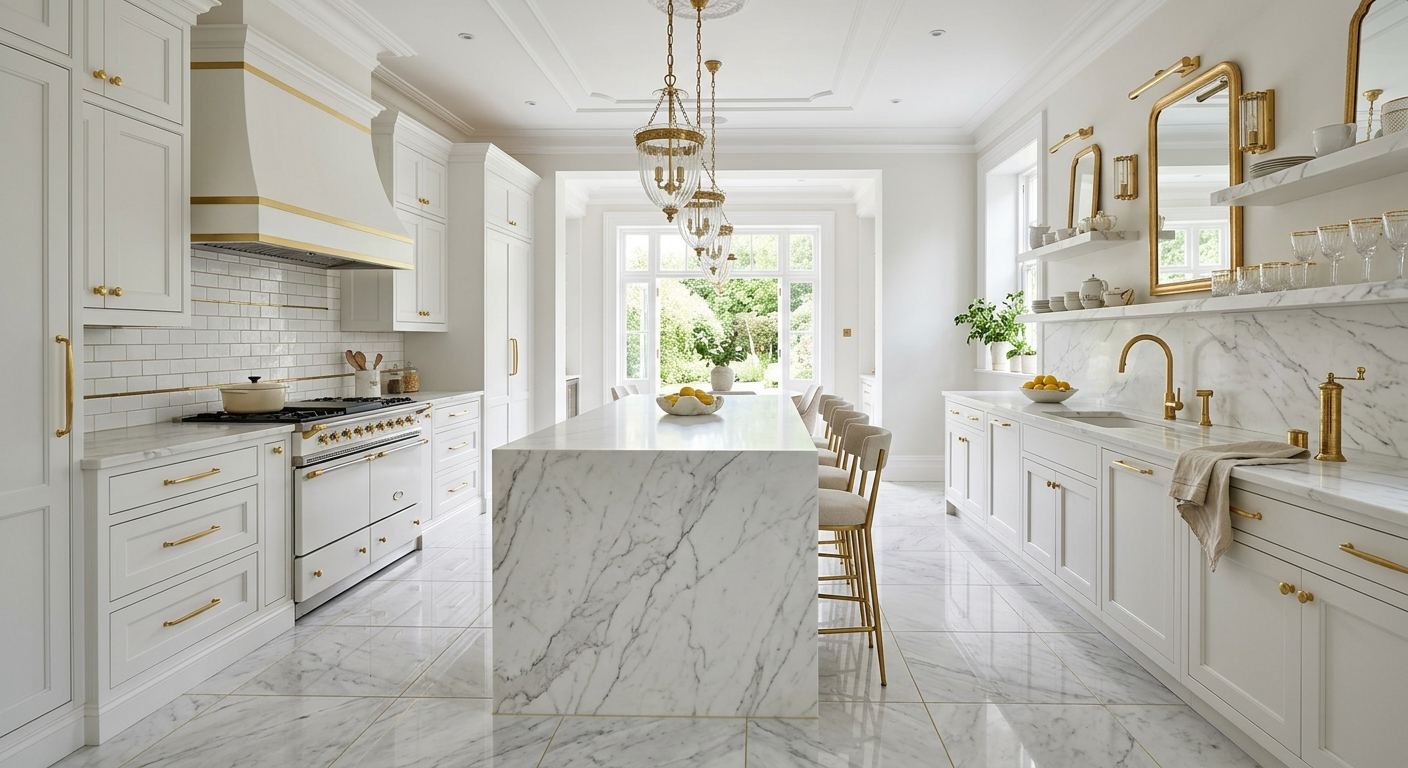
Kitchen renovation options and costs in Clearwater
Clearwater kitchen renovations usually start with a simple question: “What can we afford without sacrificing functionality?” With a population of 2,388 (Statistics Canada, 2021 Census) and $68,000 as the 2020 median household income (Statistics Canada, 2021 Census), many homeowners are balancing comfort, resale value, and long-term durability. In Thompson–Okanagan, the market’s above-average housing demand in centres like Kelowna and the broader residential economy spill into Clearwater expectations—so projects tend to favour semi-custom or custom cabinetry and durable countertop surfaces rather than entry-level finishes. That’s also why you’ll see cabinets take roughly 30–50% of the total kitchen budget in local quotes, with countertops driving the next biggest swing.
Clearwater’s renovation costs aren’t primarily “weather-driven” the way exterior work is. Most of the cost lift comes from market pricing and materials/lead times—plus contractor availability in the region. In practice, labour and material pricing have pushed fully-managed renovations into the mid-range and high-end tiers more often than broad national cost guides suggest. If you’re renovating a home built before 1981 (where 50.5% of dwellings were built pre-1981 per the 2021 Census), older plumbing/electrical rough-ins can mean extra time for tie-ins and minor repairs—especially when you change layouts.
Contractor demand is especially strong around downtown Clearwater and the surrounding residential core, where homeowners often renovate while staying in the home. With that in mind, here’s how the common Clearwater renovation tiers typically compare.
| Renovation Tier |
What's Included |
Typical Duration |
Price Range |
| Cosmetic refresh (paint, hardware, new appliances only) |
Cabinet paint or touch-ups, new hardware, appliance swap, minor caulking/trim, housekeeping |
3–7 days |
$40,000–$55,000 |
| Mid-range full renovation (new cabinets, counters, sink, tile) |
New semi-custom or high-quality stock cabinets, countertop (quartz or granite-style stone), sink & faucet, backsplash tile, flooring refinishing or replacement of damaged areas |
2–4 weeks |
$55,000–$80,000 |
| High-end full renovation (custom cabinets, stone counters, island) |
Fully custom millwork, premium stone counters, island build-out, upgraded lighting, full backsplash, enhanced storage, disposal/ventilation upgrades |
4–8 weeks |
$85,000–$110,000 |
| Cabinet refacing only (new doors + drawer fronts, same boxes) |
Door/drawer front replacement, new hardware, optional box refinishing, careful alignment and edge upgrades |
1–3 weeks |
$8,000–$25,000 |
| Countertop swap only (laminate to quartz or stone) |
Remove and dispose of existing counters, install new quartz/stone, seam planning, sink/faucet re-set as needed |
3–7 days |
$3,500–$18,000 |
| Backsplash tile installation only |
Surface prep, tile supply (typical mid-range), grout/seal, caulking transitions, cleanup |
3–7 days |
$3,000–$15,000 |
Prices are estimates only and vary by project scope, site access and material selection.
What affects the price of kitchen renovation in Clearwater
In Clearwater and across the Thompson–Okanagan region, the same kitchen scope can come back 30–50% apart depending on the assumed finish tier, how much demolition is included, and whether the quote includes permit work and trade coordination. This variation also happens across British Columbia because labour availability and material costs shift by distance, season, and how many crews can support a build at once. In higher-value markets, homeowners often choose semi-custom or full custom cabinetry because the spend tends to be recovered better on resale; in more modest segments, laminate and stock cabinets still deliver strong day-to-day value.
Local home values and median income influence the typical “default” spec far more than climate does. Clearwater homes are frequently older—remember, 50.5% of dwellings were built before 1981 (Statistics Canada, 2021 Census)—so electrical grounding, venting routes, and plumbing routing can require additional labour even if you’re only “refreshing” surfaces. Layout changes are where costs become least predictable: removing a wall, adding an island, or moving a gas line can add days of labour and specialty trades. In practice, the biggest cost jumps often appear even when you keep finishes mid-range—for example, a full kitchen budget can swing within the $40,000–$110,000 band when plumbing/gas reroutes are involved.
Two Clearwater examples that reliably raise cost: (1) upgrading to under-cabinet lighting with new electrical circuits, which adds wiring time and patching; and (2) replacing tile or subfloor that’s been softened by years of moisture cycles around sinks and dishwashers. Conversely, keeping the existing footprint and reusing plumbing locations can keep you closer to the mid-range renovation tier (often around $55,000–$80,000) because the work stays concentrated on cabinets, counters, and surfaces.
Meanwhile, countertop material remains the next major lever. Swapping from laminate into quartz or stone often stays within the $3,500–$18,000 range for a standalone change, but the cost climbs when seams, sink cut-outs, and edge profiles require more fabrication time.
| Price Factor |
Why It Matters |
Cost Impact |
| Cabinet tier — stock vs. semi-custom vs. fully custom millwork |
Higher tiers add better hinges/drawers, more storage options, longer lead times, and more precise fit |
Typically the largest driver: cabinetry can be ~30–50% of the total |
| Countertop material — laminate vs. quartz vs. granite vs. stone |
Fabrication complexity, edge profiles, and material cost vary widely; stone is heavier and needs stronger support |
Standalone swaps often fall within $3,500–$18,000 |
| Layout change — wall removal, island add, plumbing/gas move |
New openings, structural work, venting paths, and specialty trade coordination increase unpredictability |
Can push a “mid-range” kitchen into high-end pricing |
| Appliance package tier — builder vs. mid-range vs. pro-grade |
Better appliances cost more and may require electrical/venting upgrades and revised clearances |
Moderate to high impact depending on venting and power requirements |
| Flooring — refinish existing vs. full replacement |
Demolition exposes subfloor condition; replacing floors can require new underlay and patching |
Higher if the existing floor is uneven or water-damaged |
| Backsplash — ceramic tile vs. marble vs. full-height slab |
Material weight and cutting complexity (especially around outlets) affect labour and waste |
Often within $3,000–$15,000 for tile installation scope |
| Electrical — new circuits for island, under-cabinet lighting |
Licensed electrician work, load calculations, and new receptacles add time and coordination |
Costs rise quickly if multiple new circuits are requested |
| Permit fees and licensed trade requirements |
Work that touches gas, major structural alterations, and electrical additions needs permits and inspections |
Can add schedule and direct costs even if materials stay the same |
Permits & regulations in British Columbia
In British Columbia, many “surface” kitchen upgrades don’t need a permit—typically cabinet swaps, countertop replacements, and backsplash installation when you’re not changing the underlying plumbing, drainage, gas lines, or structural elements. However, permits are commonly required when you move plumbing supply/drain lines, relocate gas-related components (stove/range connections and gas-enabled range hood work), remove a load-bearing wall, or add new electrical circuits and outlets (for example, dedicated circuits for an island and new under-cabinet lighting with added wiring).
Gas work must be performed by a licensed gas fitter, and electrical work must be performed by a licensed electrician; both require inspections. Always confirm permit responsibility in writing—who pulls it, who pays the permit fees, and which inspections are included—so you’re not surprised by add-ons after demolition.
How Clearwater homeowners can verify a contractor in BC, step-by-step:
- Ask for the contractor’s licence details (where applicable) and company business info before you sign.
- Request a current certificate of liability insurance and verify it matches the work being quoted.
- For trade subcontractors, ask for their proof of licensing and provide the names used on the permit/inspection.
- Confirm workers’ compensation coverage (WSIB/WCB) documentation—don’t rely on verbal assurances.
- Request written documentation for clearance/coverage and keep it with your contract.
- If permits are required, ask to see the plan for who submits applications and who attends inspections.
When in doubt, tie permitting to the scope: if the plan changes plumbing/gas/electrical beyond simple replacements, you should expect permits and inspections.
Cabinets, countertops and layout decisions in Clearwater
For Clearwater kitchens, three decisions dominate your outcome: (1) cabinet tier, (2) countertop material, and (3) whether you change the layout (open-concept wall removal, island addition, or moving plumbing/gas). Thompson–Okanagan resale expectations tend to reward visible quality: buyers in this corridor usually look for clean cabinet lines, solid storage, and counters that can handle daily wear without looking dated quickly—even if the home is older (and many are, given that 50.5% of dwellings were built before 1981).
Cabinet tier: Stock cabinets are typically fastest and cheapest, but they’re more limited in sizes and interior features. Semi-custom is the most popular mid-range choice because it’s easier to fit into real-world walls while still controlling cost. Custom cabinets cost more, but they shine when you have awkward corners, ceiling height limits, or you want integrated storage (pantry towers, appliance garages, pull-outs) that makes the space feel “built for you.”
Countertops: Laminate is budget-friendly and can be a good stepping-stone, but it’s less forgiving long-term if the edges or seams are constantly exposed to moisture cycles. Quartz is the common Clearwater upgrade because it’s durable, low-maintenance, and holds up well to humidity shifts around sinks. Granite/stone and marble look premium but can be costlier to fabricate and maintain.
Layout changes: If you keep the plumbing and gas where they are, you can often stay within the mid-range full-renovation band (around $55,000–$80,000). If you move a sink or relocate a gas-enabled cooktop, you can add specialty trade labour and permit steps, pushing you toward the high-end range (often $85,000–$110,000) even if cabinets stay mid-range.
Dollar example: switching from laminate to quartz might fall in the $3,500–$18,000 countertop band, and that can feel like a “big upgrade” without inflating the entire project. But if the countertop change requires significant rework due to sink cut-outs and cabinet height corrections after a layout change, the savings can shrink quickly—so the best plan ties cabinet fit to countertop specs early.
| Option |
Durability |
Maintenance |
Best For |
Price Range |
| Stock cabinets (big-box) |
Decent everyday durability; fit may be less precise in older homes |
Low maintenance; minor adjustments may be needed at installation |
Time-sensitive projects and tighter budgets |
$8,000–$20,000 |
| Semi-custom cabinets (local dealer) |
Strong durability; better drawer hardware and more interior options |
Low maintenance; easy to upgrade storage features |
Most Clearwater renovators aiming for mid-range value |
$20,000–$35,000 |
| Custom cabinets (local millwork shop) |
Highest fit and build quality; best for irregular walls and storage design |
Low maintenance; craftsmanship supports long life |
Homeowners who want a tailored kitchen that fits resale expectations |
$35,000–$60,000 |
| Laminate countertop |
Good for light to moderate use; seams/edges are the weak point |
Easy cleaning; avoid repeated moisture at seams |
Rental suites or “get it upgraded now” budgets |
$3,500–$7,500 |
| Quartz engineered countertop |
Very durable; consistent surface and strong performance around sinks |
Low maintenance; no sealing required |
Most popular upgrade in Clearwater |
$7,500–$14,000 |
| Granite / natural stone countertop |
High durability; heat and scratch resistance varies by stone |
May require periodic sealing depending on stone type |
Premium look and resale appeal |
$10,000–$18,000 |
| Butcher block countertop |
Durable but sensitive to standing water if not sealed properly |
Needs regular oiling/sealing and mindful cleaning habits |
Warm, rustic aesthetics and homeowners who maintain surfaces |
$6,500–$12,000 |
| Marble countertop |
Beautiful but softer; can etch/stain with acidic foods |
Higher maintenance; sealing and careful use are important |
Showpiece kitchens where aesthetics matter more than heavy wear |
$12,000–$20,000 |
How to choose a kitchen renovation contractor in Clearwater
Choosing the right contractor in Clearwater starts with verifying three things: licensing/competency where required, liability insurance, and workers’ compensation coverage. For British Columbia projects, confirm the electrician and gas fitter (when applicable) are licensed for their scopes, and request proof of liability insurance directly from the contractor. Also ask for workers’ compensation coverage documentation (WSIB/WCB equivalents) so you’re protected if there’s an incident on site.
Next, get 2–3 itemised written quotes instead of one lump-sum number. A good quote breaks out labour and materials by major line items: demolition, framing/cabinet install, countertops fabrication and install, electrical scope (if included), tile work, and disposal. Read the exclusions: what’s not included (appliances, permits, site protection, patching/drywall beyond a certain amount), and who is responsible if the subfloor or wiring isn’t as expected after demo.
Warranty matters—ask for the workmanship warranty length and whether it’s transfer-able if you sell. Also request the product/manufacturer warranties for cabinets, countertops, and tile/grout systems. Payment should be staged: never pay more than 10–15% upfront. Hold back a portion until key milestones are complete and the site is clean and functional.
Finally, insist on a written start date and realistic completion estimate. For Clearwater, schedule clarity matters because materials and fabrication lead times can influence when your kitchen is “out of service.”
- Ask which permits are included and who pulls them.
- Confirm whether disposal/hauling is included or a separate charge.
- Require an itemised labour/material breakdown—no vague allowances.
- Check that scope includes electrical/fire safety details for new lighting or outlets.
- Verify subcontractors are named in the contract (electrician/gas fitter if used).
- Request proof of liability insurance (certificate of insurance).
- Request workers’ compensation clearance/coverage documentation.
- Ask how they handle hidden conditions discovered after demo.
- Confirm warranty terms in writing for workmanship and products.
- Insist on a staged payment schedule with a holdback until completion.
- Confirm site protection and cleanup responsibilities (dust control, floor protection).
- Get a final walkthrough process and sign-off checklist.
Red flags in Clearwater: (1) quotes that exclude permits without explaining when they’ll be needed; (2) “cash discount” requests that reduce documentation or warranties; (3) no named subcontractors for electrical/gas when those scopes are included; (4) vague allowances for countertops/cabinets with no model numbers; and (5) schedules that don’t account for countertop fabrication lead times.
Frequently asked questions — kitchen renovation in Clearwater
What's the ROI on a kitchen renovation?
In Clearwater and across British Columbia, kitchen renovations can improve day-to-day enjoyment and support resale, but the ROI depends heavily on how visible the upgrades are and whether you keep the layout functional. Homebuyers typically respond to modern cabinet hardware, durable counters (often quartz), and a well-finished backsplash. In mid-range upgrades, many homeowners aim to stay inside the full kitchen renovation band of $40,000–$110,000, choosing finishes that match local resale expectations. Since 75.5% of households own locally (Statistics Canada, 2021 Census), you’ll often see renovation decisions driven by resale stability. The best ROI usually comes from renovating where you’ll see improvements immediately (cabinets/counters/lighting) and avoiding major, costly layout moves unless the space gain is genuinely worth the permitting and trade work.
How do I budget for a kitchen renovation?
Start by deciding which scope level you’re really doing: cosmetic refresh, mid-range full renovation, high-end full renovation, or targeted upgrades like cabinet refacing or countertop swap. If you’re aiming for a “best value” plan, many Clearwater homeowners budget for the mid-range band (often around $55,000–$80,000) with semi-custom cabinets and quartz counters. Remember that cabinetry often absorbs roughly 30–50% of the budget, and countertops are the next biggest swing factor. Then add a contingency for Clearwater’s common older-home details: homes built before 1981 (Statistics Canada, 2021 Census) can reveal additional electrical/plumbing work after demo. A practical approach is to request itemised quotes with allowances clearly defined, and negotiate what’s included for disposal, permit steps, and electrical tie-ins.
Can I move my kitchen sink or stove?
Yes, but it can change both cost and timeline in Clearwater. Moving a sink typically means plumbing supply/drain rerouting, which often requires permits and licensed trade coordination in British Columbia. Relocating a stove or cooktop can involve gas line work (if gas is used), which must be completed by a licensed gas fitter and inspected. If you’re moving an island and want new outlets or under-cabinet lighting, electrical permits may also apply. If you’re staying within a countertop-only or backsplash-only budget, avoid layout moves. For full renovations, many homeowners keep the plumbing footprint when possible to stay closer to the mid-range bands such as $40,000–$110,000 overall, instead of drifting into high-end costs driven by specialty trades and permit inspections.
What's the most cost-effective kitchen upgrade?
The most cost-effective upgrade is usually the one that delivers the biggest visual change with minimal hidden-work risk. In Clearwater kitchens, cabinet refacing can be a strong value because it updates the look without replacing the entire cabinet framework. Another top value move is swapping countertops, especially upgrading from laminate to quartz or stone—standalone countertop swaps commonly fall within $3,500–$18,000, depending on material and complexity. If your layout and plumbing are already functional, backsplash installation is also impactful for the money, often within $3,000–$15,000. The “cost-effective” choice depends on what you already have: if your cabinet boxes are solid, refacing beats full replacement; if your counters are worn or damaged, countertop replacement can refresh the whole kitchen quickly without major demolition.
Custom vs stock cabinets — is custom worth it?
Custom cabinets are worth it when you have a layout that needs precision—odd wall angles, ceiling height challenges, or you want engineered storage that stock sizes can’t accommodate. In Clearwater, many homeowners choose semi-custom because it’s a practical middle ground: more flexibility than stock, usually faster and less costly than fully custom millwork. Stock cabinets can work well for rental suites or tight budgets, but you may sacrifice storage features or end up with filler pieces that don’t look intentional. Budget-wise, cabinetry tiers often drive the biggest cost swing, with cabinet installation/refacing in the broad $8,000–$35,000 range depending on tier and scope. If you’re planning a full renovation in the mid-range band (around $55,000–$80,000), semi-custom is commonly the “sweet spot” for ROI and fit—custom becomes most compelling when you’re willing to pay for tailored storage.
How do I choose a kitchen contractor in Clearwater?
Choose a contractor by verifying documentation, demanding itemised quotes, and matching the quote to your scope—not just a price. In British Columbia, confirm that subcontractors are licensed where required (especially electrician and gas fitter for their scopes) and request proof of liability insurance. Also verify workers’ compensation coverage (WSIB/WCB clearance documentation), since you’re paying for trades—not just labour. Get 2–3 written quotes with line items for demolition, cabinet installation, countertop fabrication/fit, electrical scope, tile work, and disposal. Watch for unclear allowances and exclusions (permits, site protection, disposal, patching beyond a certain limit). Make sure the contract states permitting responsibility and inspections where needed. Finally, avoid overpaying—keep upfront payments near 10–15%—and insist on a written start date and completion timeline.