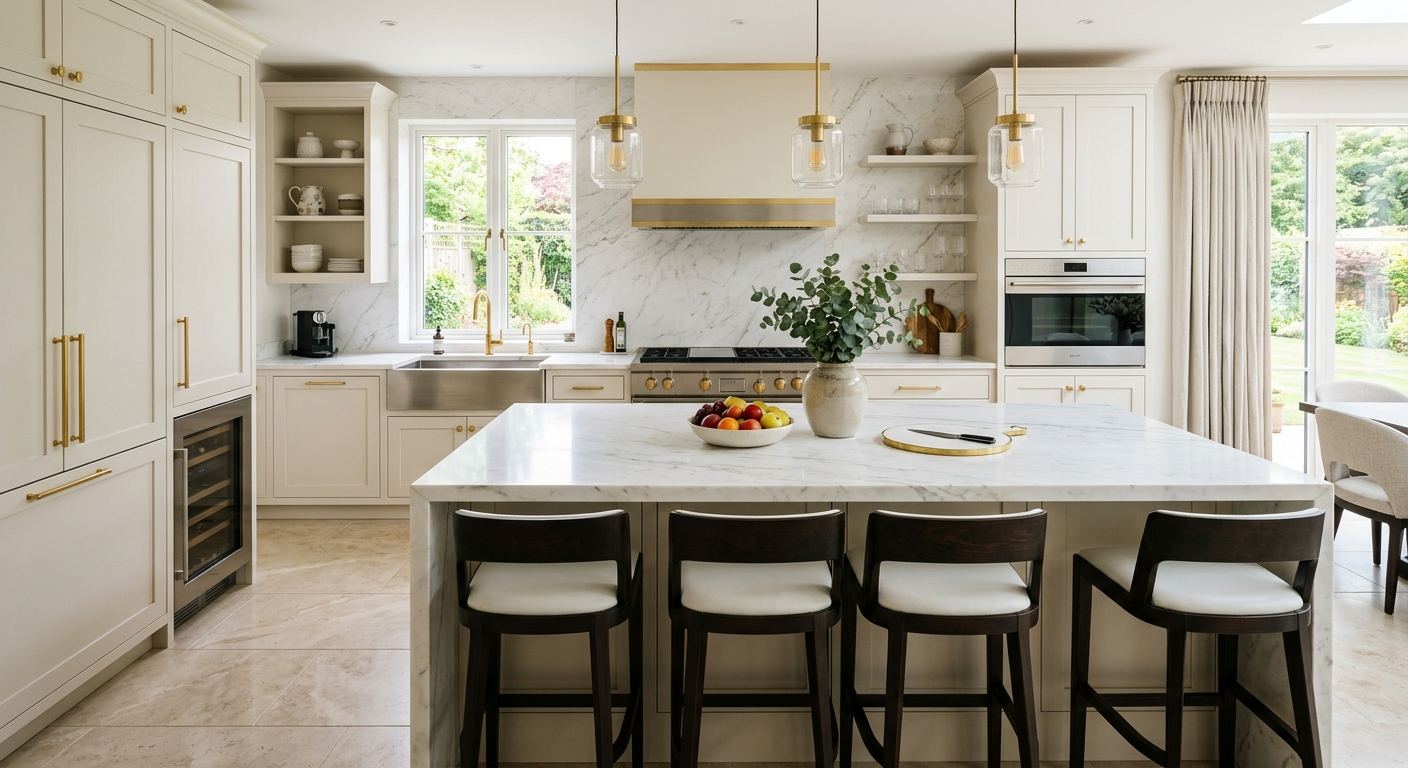
Kitchen renovation options and costs in Coombs
Kitchen renovations in Coombs, British Columbia tend to follow three clear paths: a quick cosmetic refresh, a practical mid-range rebuild, or a full high-end upgrade. With a local population of 1,612 (Statistics Canada, 2021 Census), many projects are shaped by homeowners who want clean, modern updates that still fit the character of the surrounding Island communities.
In the Lower Mainland–Southwest, pricing is driven more by home value and expected finish level than by weather alone. Even though Coombs sits outside Metro Vancouver’s densest neighbourhoods, the same buyer expectations influence materials—quartz, upgraded hardware, and better cabinet storage. In higher-value pockets across the region, owners more often choose semi-custom or custom cabinetry because the renovation cost is easier to recover on resale; in more modest markets, laminate and stock cabinets dominate for a stronger return. That’s why two kitchens with the same footage can land far apart in budget even when the layout is similar.
Contractor availability also matters locally: in the Lower Mainland–Southwest, skilled carpenters, cabinet installers, and stone trades are busiest when multiple full renovations overlap. During peak scheduling windows, labour and delivery lead times can push budgets upward—especially when you’re changing cabinetry heights or adding an island. Coastal conditions also mean you’ll want sensible ventilation and durable finishes around the sink and backsplash to reduce moisture wear over time.
Use the table below to compare typical options, then match the tier to your layout goals before you call for an itemised estimate.
| Renovation Tier |
What's Included |
Typical Duration |
Price Range |
| Cosmetic refresh (paint, hardware, new appliances only) |
Cabinet paint or stain touch-up (if applicable), new hardware, under-cabinet light (optional), appliance swap, minor caulking/trim fixes; no cabinet box changes |
1–3 weeks |
$8,000–$25,000 |
| Mid-range full renovation (new cabinets, counters, sink, tile) |
New semi-custom or mid-range stock cabinets, new countertop, sink and faucet, backsplash tile, disposal/trim updates, vanity-style plumbing refresh where needed |
4–8 weeks |
$40,000–$75,000 |
| High-end full renovation (custom cabinets, stone counters, island) |
Custom cabinetry/millwork, quartz or natural stone, island design, expanded backsplash (often to full height), upgraded hardware, better lighting, more complex plumbing/electrical planning |
8–14 weeks |
$85,000–$120,000 |
| Cabinet refacing only (new doors + drawer fronts, same boxes) |
Door and drawer front replacement, new handles/pulls, laminate or wood veneer refacing system; existing boxes remain |
2–5 weeks |
$8,000–$35,000 |
| Countertop swap only (laminate to quartz or stone) |
Remove and replace countertop, sink cut-out adjustments (as required), basic sealing and finishing; no major cabinet changes |
1–2 weeks |
$3,000–$12,000 |
| Backsplash tile installation only |
Surface prep, tile supply and install, grout/seal, finishing around outlets and edges |
3–7 days |
$1,500–$6,000 |
Prices are estimates only and vary by project scope, site access and material selection.
What affects the price of kitchen renovation in Coombs
It’s common to see the same kitchen scope come in 30–50% apart across the Lower Mainland–Southwest and other parts of British Columbia. In practice, those differences usually aren’t about climate—they’re about material tiers, labour availability, and the level of finish buyers expect for the home’s resale value. Even though Coombs is smaller (population 1,612 in 2021, Statistics Canada, 2021 Census), renovations still track regional demand: contractors and suppliers price projects partly based on how quickly lead times fill up in the broader Lower Mainland market.
Local home values and typical household income expectations in the Lower Mainland–Southwest push many owners toward quartz or stone counters and semi-custom cabinetry, because those upgrades can be justified on resale. In more modest setups, laminate and stock cabinets are chosen for ROI—especially when the layout is staying put. Meanwhile, layout changes are the biggest wildcard regardless of finish tier: removing a wall, adding an island, or moving a gas line or plumbing feed can require additional framing, rerouting, and multiple trades working tighter schedules.
Here are a few concrete Coombs-area examples that commonly move the price:
- If your kitchen is older and the shutoffs or drains are difficult to access, plumbing work can add unexpected labour, even when the finish package is mid-range (often landing in the $40,000–$75,000 zone for a full rebuild).
- If you want an island with power and an upgraded vent route, electrical and ventilation complexity often pushes you toward a high-end full renovation budget ($85,000–$120,000), especially with stone and custom millwork.
- Coastal humidity and temperature swings mean poor sealing around sinks and backsplash edges leads to faster wear; that can tip you toward better materials and more careful installation rather than cheaper, lower-tolerance assemblies.
Next, it helps to understand what parts of the work trigger permits and licensed trades, so you can budget confidently from day one.
| Price Factor |
Why It Matters |
Cost Impact |
| Cabinet tier — stock vs. semi-custom vs. fully custom millwork |
Better fit, more storage options, and premium finishes usually require more labour and longer lead times |
Can swing overall cabinet spend by roughly $10,000–$40,000+ |
| Countertop material — laminate vs. quartz vs. granite vs. stone |
Material cost and install complexity (templating, seams, edge profiles) change quickly with stone |
Countertop-only installs often range from ~$3,000 to ~$12,000+ depending on finish |
| Layout change — wall removal, island add, plumbing/gas move |
Structural and utility rerouting creates more trade coordination and higher demolition/repair costs |
Often adds several thousand to tens of thousands regardless of finish level |
| Appliance package tier — builder vs. mid-range vs. pro-grade |
Higher tiers cost more and may require different clearances/venting and cabinetry modifications |
Typically shifts appliance allowance by $1,500–$8,000+ |
| Flooring — refinish existing vs. full replacement |
Keeping existing flooring avoids demo and matching issues; replacing often includes subfloor checks |
May add $2,000–$10,000+ depending on replacement scope |
| Backsplash — ceramic tile vs. marble vs. full-height slab |
Stone backsplashes add weight, templating and seam work; full-height coverage increases labour |
Backsplash installs often range from ~$1,500 to ~$6,000 (or more for premium coverage) |
| Electrical — new circuits for island, under-cabinet lighting |
Adding circuits increases licensed electrical labour and inspection requirements |
Frequently adds several thousand dollars on average projects |
| Permit fees and licensed trade requirements |
Permits and inspections add administrative steps and may require additional trades to sign off |
Varies by work; budget for both permit administration and inspection scheduling time |
Permits & regulations in British Columbia
In British Columbia, a cabinet or countertop swap is usually straightforward from a permitting standpoint, but many related upgrades can trigger permits once you touch plumbing, gas, structural elements, or electrical circuits. In most cases, you typically do not need a permit to replace cabinets with the same footprint, reface cabinetry, or swap countertops (including quartz or stone) when plumbing and electrical connections remain unchanged.
Where permits do come into play is when you change the systems, not just the finishes. Common examples include: moving a sink’s drain or supply lines; relocating a stove or range hood that uses gas; adding or relocating gas appliances; removing or altering a load-bearing wall; and adding new electrical circuits (for example, to power an island, add multiple receptacles, or install dedicated under-cabinet lighting circuits). Gas work must be performed by a licensed gas fitter, and electrical work by a licensed electrician—both require inspections after the work is completed.
To protect yourself, Coombs homeowners should verify three things before work starts: (1) the contractor’s British Columbia licence/credentials where applicable for their trade category; (2) liability insurance via a current certificate of insurance; and (3) workers’ compensation coverage (WSIB/WCB coverage evidence) for anyone who will be working on your site. Ask for: a licence/registration reference from the contractor, a COI listing your address or general interest, and clearance documentation if trades are subcontracted. Confirm in writing who is pulling each permit—do not assume it’s handled automatically.
Cabinets, countertops and layout decisions in Coombs
If you want the biggest impact per dollar in a Coombs kitchen renovation, focus on three decisions early: cabinet tier, countertop material, and whether you’ll change the layout. In the Lower Mainland–Southwest resale context, buyers often expect modern storage and durable surfaces—so your choices should match both your budget and the level of finish you’re trying to achieve.
1) Cabinet tier: Stock cabinets are the fastest and typically cheapest because they’re pre-made and straightforward to install. Semi-custom cabinets are the “most popular mid-range” option—better sizing and interior options while still controlling costs. Custom cabinets are best when you need a perfect fit for an odd wall line or want deeper drawers and specialty storage, but they add time and cost.
2) Countertop material: Laminate can work well for budgets, but quartz and natural stone hold up better to day-to-day impacts and staining—important for kitchens that see heavy cooking and coastal humidity. A countertop-only swap often falls into the $3,000–$12,000 band, and that range can be the difference between simply “updated” and genuinely “premium.”
3) Layout changes: Open-concept wall removal, adding an island, or relocating plumbing/gas can justify the cost when you gain real function—more circulation, better work zones, and improved storage. If you’re not gaining usable space, layout changes often aren’t worth the added complexity.
Example: If you stay with the current plumbing location and choose semi-custom cabinets plus quartz counters, you might land around the mid-range renovation tier ($40,000–$75,000). But if you add an island and relocate a gas line and electrical, the same kitchen can jump toward the high-end full renovation range ($85,000–$120,000), because the trades scope and schedule complexity increase significantly.
| Option |
Durability |
Maintenance |
Best For |
Price Range |
| Stock cabinets (big-box) |
Good for everyday use; edges and finishes vary by model |
Low—typical cleaning and gentle care for finishes |
Short timelines and budget-sensitive refreshes |
$8,000–$25,000 |
| Semi-custom cabinets (local dealer) |
Better fit and stronger construction options; improved hardware compatibility |
Low to moderate—depends on finish type and care for moving parts |
Most Coombs homeowners aiming for a practical upgrade |
$20,000–$55,000 |
| Custom cabinets (local millwork shop) |
Highest consistency for fit, finish, and specialty storage |
Low—best results with proper sealing and quality hardware |
Odd layouts, maximum storage, and “design-led” kitchens |
$45,000–$85,000+ |
| Laminate countertop |
Durable for normal wear; seams and edges can be more vulnerable |
Easy cleaning; avoid prolonged standing water at seams |
Budget-focused updates without major layout work |
$3,000–$6,000 |
| Quartz engineered countertop |
Very durable; resists staining and everyday impact better than laminate |
Low—wipe clean and use sensible cutting practices |
Families who want a premium look with straightforward care |
$6,000–$10,000 |
| Granite / natural stone countertop |
Hardwearing with unique patterning; thickness and edge details vary |
Moderate—seal as recommended; protect from prolonged spills |
Premium finish seekers who like natural variation |
$8,000–$12,000 |
| Butcher block countertop |
Solid but requires good drying practices around moisture and seams |
Higher—regular oiling and careful water management |
Warm, traditional kitchens and homeowners who’ll maintain it |
$4,500–$9,000 |
| Marble countertop |
Beautiful but more sensitive than quartz; potential for etching/staining |
Moderate to high—requires diligent care and spill response |
Showpiece kitchens where maintenance is acceptable |
$9,000–$14,000+ |
How to choose a kitchen renovation contractor in Coombs
Choosing the right contractor in Coombs starts with verification, not promises. In British Columbia, you should confirm the contractor’s credentials for the work they’ll perform, and you should also verify liability insurance and workers’ compensation coverage (WSIB/WCB coverage evidence) for anyone working on your site. Ask for certificates before signing: a current certificate of insurance (showing liability coverage and your project address or interest), and proof of workers’ compensation coverage. If subs are involved (for example, plumbing/electrical/gas), insist they provide their own documentation or that your contractor will manage it—again, in writing.
Next, get 2–3 itemised written quotes rather than one lump sum. You want a labour and materials breakdown so you can see cabinet line items, countertop templating and install, tile scope, electrical allowance, disposal/dump fees, and any permit support. Read the scope carefully for exclusions: is drywall repair included after demo? Is permit pulling included (if required) or billed separately? Is waste removal/disposal included? What’s the assumed finish schedule (paint, caulking, trim)?
Warranty matters too. Ask for the workmanship warranty length, whether product warranties from cabinet and countertop manufacturers are provided, and if warranties are transferable when you sell the home. For payment, never pay more than 10–15% upfront; a holdback until completion (and punch list correction) keeps quality accountable. Finally, request a written start date and a completion estimate that includes typical lead times for cabinets and stone.
- License/credentials relevant to their scope in British Columbia (and trade category clarity)
- Current certificate of liability insurance
- Proof of workers’ compensation coverage (WSIB/WCB evidence) for crew/subs
- 2–3 quotes with itemised labour + material breakdown (not lump sums)
- Clear inclusions/exclusions (permits, disposal, drywall repairs, paint/caulk/trim)
- Specified lead times for cabinets and countertops (templating and install dates)
- Labour warranty period and what it covers (and excludes)
- Manufacturer warranty details for cabinets, counters and tile systems
- Payment schedule with a holdback until punch list completion
- Schedule written as start date + milestones (demo, rough-in, cabinets, countertop, final)
- Change-order process in the contract (how pricing is recalculated)
- Site protection plan (floor protection, dust control, doorway coverings)
Red flags I see in kitchen projects around Coombs include: vague “we’ll figure it out later” language in the contract, quotes that omit permit responsibility, no proof of insurance/coverage, a payment demand that exceeds 15% upfront, and missing lead-time assumptions for cabinet and stone delivery.
Frequently asked questions — kitchen renovation in Coombs
What's the ROI on a kitchen renovation?
ROI in Coombs and across British Columbia is less about chasing “trend” and more about delivering durable, functional finishes that match buyer expectations. In the Lower Mainland–Southwest, premium counters and better cabinetry are often more visible to buyers, which is why a move from a basic laminate setup toward quartz or stone can support resale appeal. That said, you shouldn’t overbuild: a kitchen that costs at the high end (for example, a full renovation in the $85,000–$120,000 range) doesn’t always recoup that entire amount if the home’s broader value or layout doesn’t justify it. For best ROI, prioritize storage improvements, reliable surfaces around moisture-prone areas (sink and backsplash), and a layout that improves circulation. Cosmetic-only work can be ROI-positive too, but it won’t resolve functional issues like poor pantry access or inadequate countertop prep space.
How do I budget for a kitchen renovation?
Start by deciding your renovation tier. A cosmetic refresh (paint, hardware and new appliances only) often sits around $8,000–$25,000, while a practical mid-range full renovation with new cabinets, counters, sink and tile commonly fits $40,000–$75,000. If you’re planning custom cabinets, stone countertops and an island, high-end full renovations often move into $85,000–$120,000. Then add a realistic contingency for the “unseen” items that show up after demo—subfloor repairs, electrical corrections, or plumbing access issues. In coastal British Columbia, careful sealing and ventilation details around the sink area can prevent premature wear, but they still need budgeted labour. The most reliable approach is to request itemised quotes so you can see what’s included: demo, disposal, permits (if required), cabinet installation, countertop templating, tile prep, and finishing. That prevents budget surprises when trades overlap.
Can I move my kitchen sink or stove?
Yes, you can move a sink or stove in Coombs, but the answer depends on what systems you’ll be changing. Moving a sink typically involves rerouting drain lines and supply lines, which can trigger permitting and licensed plumbing work. Relocating a stove can also involve gas considerations—gas work in British Columbia must be done by a licensed gas fitter, and inspections typically follow. Electrical changes for outlet placement near the new sink area or for vent fans can also require a licensed electrician and permit support. The key budgeting point is that layout changes are the most unpredictable cost driver, regardless of cabinet finish tier. If you can keep the sink and stove roughly in the same footprint or along the same wall run, you usually reduce the cost swing. If relocation is worth it, plan it early so cabinets, counters and ventilation routing align with your final design.
What's the most cost-effective kitchen upgrade?
For many Coombs homeowners, the most cost-effective upgrade is the one that improves the “look” and “work flow” without requiring major demolition or rerouting services. Often that’s either a countertop upgrade within your existing cabinet footprint or a backsplash package with careful detailing around outlets. If your cabinets are solid, a countertop swap only (for example, laminate to quartz/stone) can fit the $3,000–$12,000 range depending on size and material. Alternatively, backsplash tile installation only often lands around $1,500–$6,000 and can transform the kitchen’s visual impact quickly. If your cabinets are worn or poorly laid out, a cabinet refacing can be a strong middle option—new doors and drawer fronts while keeping the boxes, typically in the $8,000–$35,000 band. The best “value” depends on whether your real problem is aesthetics, storage, or durability around moisture-heavy zones.
Custom vs stock cabinets — is custom worth it?
Custom cabinets are “worth it” when your kitchen has layout constraints or when you need a very specific storage solution that stock and semi-custom can’t match. In Coombs, many homes have older framing lines or unique wall angles, and custom millwork can create a clean, built-in look that reduces gaps and improves storage. However, custom also increases cost and scheduling risk because fabrication lead times are longer and any changes ripple through shop drawings. Stock cabinets are fastest and usually cheapest, and they’re a good fit when your dimensions are standard and you’re prioritizing budget control—often aligning with a cosmetic-to-midrange renovation approach. Semi-custom is typically the best compromise: better sizing and options without the full premium. A practical way to decide is to price cabinets both ways itemised in your quotes, then compare total project cost impact—not just the cabinet line. If you’re aiming for a $40,000–$75,000 mid-range renovation, semi-custom often delivers the best balance of fit and ROI.
How do I choose a kitchen contractor in Coombs?
Choose a kitchen contractor in Coombs by verifying credentials, requiring itemised quotes, and controlling risk with contract details. First, ask for proof of liability insurance and workers’ compensation coverage (WSIB/WCB evidence) for any crew or subcontractors. Next, confirm the contractor’s licensing/credentials relevant to the work they perform in British Columbia, and request clear documentation before work starts. Get 2–3 itemised written quotes showing labour and materials breakdown (cabinets, countertop templating/install, tile prep, electrical allowances, and disposal). Avoid quotes that omit whether permits are included—especially if you’re moving plumbing, relocating gas, removing a load-bearing wall, or adding electrical circuits. Review warranties: workmanship warranty length, manufacturer warranty details, and whether warranties are transferable. For payment, keep it conservative—typically no more than 10–15% upfront and a holdback until the punch list is complete. Finally, insist on a written start date and timeline milestones so cabinet and stone lead times don’t stall the job.