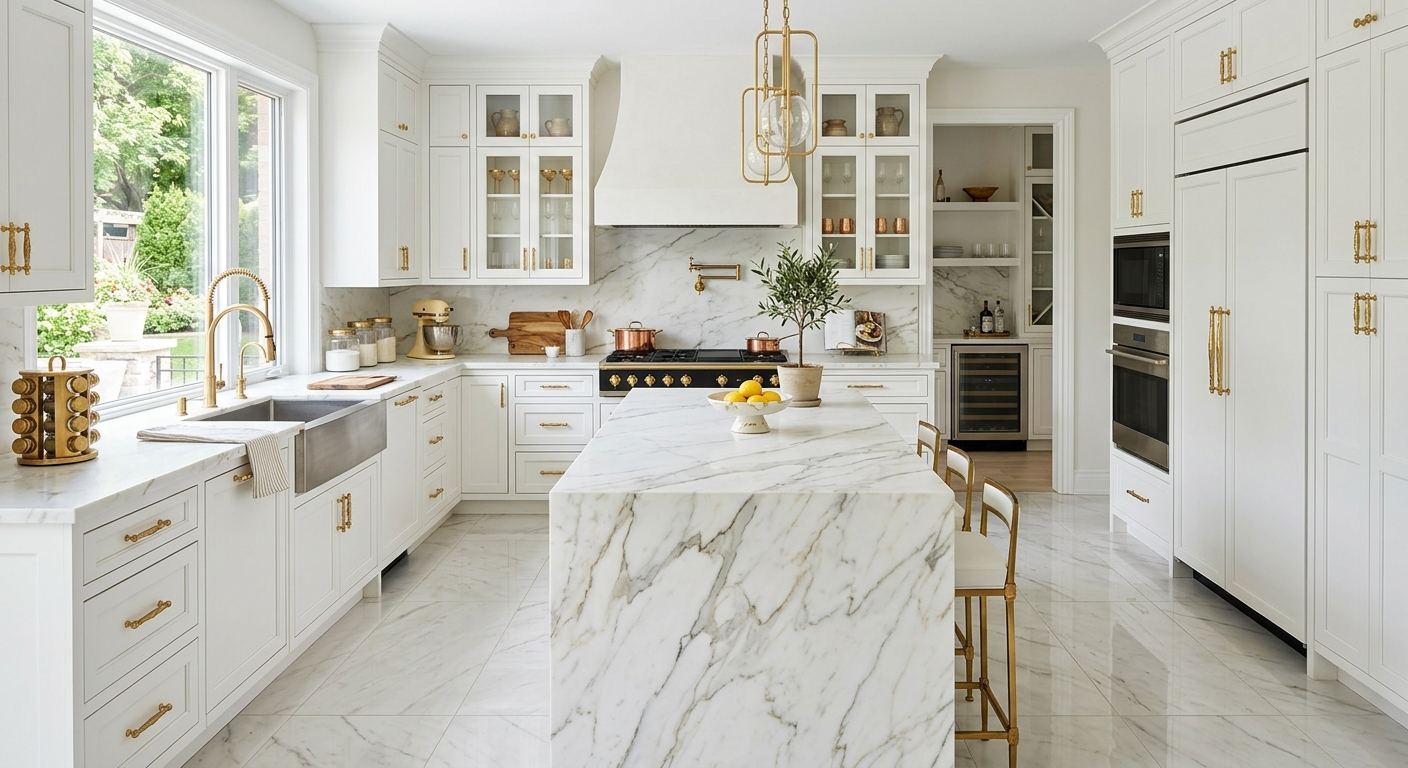
Kitchen renovation options and costs in Carey
Carey is a smaller community in the Lower Mainland–Southwest, and kitchen renovation pricing there is usually less about “weather damage” and more about what level of finish local buyers expect. In the 2021 Census, Carey sits within a population base of 18,405, which helps explain why contractors often concentrate scheduling on the most active neighbourhood pockets and the most common project types. In this region, home values and household purchasing power also influence the default cabinet and countertop tier—homeowners who plan to sell tend to choose finishes that feel current to Metro Vancouver buyers, where semi-custom cabinetry and quartz or stone counters are common.
Lower Mainland–Southwest renovations are also shaped by market availability: when demand is steady, lead times for cabinet boxes, specialty hardware, and countertop templates can become a bigger part of your timeline than demolition itself. Climate still matters, but mainly indirectly—coastal humidity and temperature swings can stress cheaper laminates, and coastal homes can have older shutoffs or galvanized plumbing that only show up after walls come open. That’s why some “same-size” kitchens in Carey come in with different totals once trades discover dated rough-ins, limited ventilation, or the need for additional electrical circuits for island lighting.
In Carey, trades are often busiest around the Fraser Highway corridor and the broader rural-to-suburban edge where homeowners balance practical updates with resale-ready upgrades. From there, the tiers below help you compare scopes before you start calling for quotes.
| Renovation Tier |
What's Included |
Typical Duration |
Price Range |
| Cosmetic refresh (paint, hardware, new appliances only) |
Cabinet paint or refinish option (no new boxes), new hardware/pulls, reinstalled doors where applicable, new appliance set, touch-up lighting, basic deep clean |
1–3 weeks |
$10,000–$25,000 |
| Mid-range full renovation (new cabinets, counters, sink, tile) |
New cabinetry (stock or semi-custom), new countertop, sink + faucet, backsplash tile (standard height), flooring updates where needed, basic plumbing/electrical hookups |
4–8 weeks |
$40,000–$85,000 |
| High-end full renovation (custom cabinets, stone counters, island) |
Fully custom cabinets, stone/quartz countertop package, island (electrical + countertop overhang), extended backsplash, upgraded hardware/soft-close, layout improvements as needed |
8–14 weeks |
$85,000–$120,000 |
| Cabinet refacing only (new doors + drawer fronts, same boxes) |
Replace doors/drawer fronts, update hinges and soft-close, reface visible box surfaces where possible, new hardware, optional lighting upgrades (by licensed electrician) |
2–5 weeks |
$15,000–$35,000 |
| Countertop swap only (laminate to quartz or stone) |
Remove existing countertop, template, install new quartz/stone slab(s), cut-outs for sink/cooktop, recaulk and finishing |
1–3 weeks (after templating) |
$10,000–$20,000 |
| Backsplash tile installation only |
Tile supply and install, wall prep, waterproofing/tile underlayment where required, grouting + finishing, matching outlets/cut-outs |
4–10 days |
$1,500–$6,000 |
Prices are estimates only and vary by project scope, site access and material selection.
What affects the price of kitchen renovation in Carey
In the Lower Mainland–Southwest, it’s common to see the same kitchen concept quoted 30–50% apart by different contractors or material choices. That spread doesn’t usually come from “the climate doing something dramatic”—it’s driven by local home value and expected finish tier at resale. In higher-value Metro Vancouver-adjacent markets, homeowners often default to quartz or stone counters and semi-custom cabinetry because the cost is easier to recover when buyers walk in. In more modest scopes, laminate and stock cabinets dominate because the ROI is stronger and the project stays within a predictable band.
Where you can really feel the difference in Carey is in layout changes and the trades required to make them work. Moving a sink run, relocating a gas cooktop or hood, or adding an island forces new plumbing/electrical planning and can trigger permitting. Even if you stay mid-range on cabinets, layout work can push you toward the broader full-renovation bands (for example, reaching the $40,000–$85,000 mid-range territory). Conversely, a countertop-only upgrade can stay comparatively contained in the $10,000–$20,000 swap band when the existing plumbing and base layout remain unchanged.
Two practical examples from Carey: (1) many older homes have shutoffs or supply lines that look fine until demolition exposes corroded fittings—replacing those parts later increases labour and sometimes extends the schedule; (2) exterior-wall kitchens can have constrained venting paths for ranges, which adds cost if the hood ducting route needs redesign. Those variables are why identical floorplans can still land at very different totals across the Lower Mainland–Southwest and across British Columbia.
| Price Factor |
Why It Matters |
Cost Impact |
| Cabinet tier — stock vs. semi-custom vs. fully custom millwork |
Different cabinetry levels change material build quality, door options, interior organization, and lead times |
Can shift a mid-range job into the high-end range (often several tens of thousands) |
| Countertop material — laminate vs. quartz vs. granite vs. stone |
Material cost, template complexity, and installation risk (especially natural stone) affect labour and schedule |
Large swings: a laminate-to-quartz change can add several thousand to total project cost |
| Layout change — wall removal, island add, plumbing/gas move |
Rough-in work is unpredictable until walls open; it also drives permitting and inspections |
Often the biggest variable; commonly the reason quotes differ by 30–50% |
| Appliance package tier — builder vs. mid-range vs. pro-grade |
Higher tiers add venting demands, electrical needs, and sometimes different dimensions |
Can add thousands quickly, especially for built-in or pro-grade ranges |
| Flooring — refinish existing vs. full replacement |
Whether you protect and restore existing surfaces or replace them after demolition |
Full replacement typically increases cost and coordination time |
| Backsplash — ceramic tile vs. marble vs. full-height slab |
Premium tile/stone needs higher-end prep, more careful cutting, and longer install time |
“Tile-only” work can still widen: premium options can push toward the upper end of backsplash budgets |
| Electrical — new circuits for island, under-cabinet lighting |
Islands usually require dedicated circuits, and lighting adds low-voltage or switched loads |
Commonly increases labour and triggers a licensed electrician |
| Permit fees and licensed trade requirements |
Any regulated work adds administrative time and documented compliance |
Direct permit and inspection costs plus coordination time |
Permits & regulations in British Columbia
In British Columbia, certain kitchen updates are straightforward from a permit perspective, while others require permits and licensed trades. Generally, cabinet and countertop swaps do not require permits. That means replacing cabinet doors, drawer fronts, and countertops—even with different materials—is typically handled as a renovation finish scope. However, if you’re changing the plumbing supply or drain lines, relocating a gas stove/range, adding or moving electrical circuits (for example, new receptacles and lighting for an island), or removing a load-bearing wall, you’re usually in permit-and-inspection territory.
Here’s what typically DOES require a permit and licensed trade in BC: moving or adding plumbing/drain routes; relocating gas connections (gas work must be done by a licensed gas fitter); relocating/adding electrical circuits for new outlets, island lighting, or ventilation controls (electrical by a licensed electrician); structural changes such as load-bearing wall removal; and any work that changes the building’s life-safety systems (including venting pathways tied to cooking appliances). What typically does not require a permit: paint-only updates, installing backsplash tile, cabinet refacing, and countertop installation on the existing footprint.
To verify a contractor for a Carey kitchen, check three things before signing: (1) licence status for the relevant trades via the provincial online registry; (2) liability insurance certificate of insurance (COI) with the correct business name and coverage dates; and (3) confirmation of worker coverage for payroll via WSIB/WCB—ask for a clearance letter or active account verification. Make sure the permit responsibility is explicitly stated in the written contract.
Cabinets, countertops and layout decisions in Carey
The three most consequential decisions in a Carey kitchen renovation are (1) cabinet tier, (2) countertop material, and (3) layout changes. Cabinet tier determines how quickly the job can go from demolition to installation and how “tight” the finished look will feel: stock cabinets are typically the fastest and cheapest, semi-custom is the most popular mid-range choice, and custom millwork delivers the best fit for odd corners, angled walls, and specific storage needs. Countertops then lock in both the daily-use experience and the resale-first impression. Laminate is budget-friendly but more vulnerable to edge damage and heat exposure; engineered quartz is a common Lower Mainland–Southwest sweet spot because it holds up well to routine cleaning and daily cooking; granite and other natural stones add premium character but can require more careful maintenance planning.
Finally, layout choices are where costs become least predictable. Removing a wall or adding an island can justify the spend because it changes how usable the kitchen feels—more workspace, better traffic flow, and space for island seating. But layout moves also trigger rough-in work. For example, if you add an island and relocate power for under-cabinet lighting and island outlets, you may increase total cost even if your cabinet and countertop selection stays mid-range. In many Carey renovations, that’s the moment budgets drift toward the full renovation bands (for instance, $40,000–$85,000), while a countertop-only plan can remain closer to the $10,000–$20,000 swap band when you keep the plumbing and cooking locations unchanged.
Because Carey housing stock varies and many homes are older, it’s wise to plan for possible rough-in updates once walls open. That’s where your contractor’s diligence in measuring, inspecting, and scheduling licensed trades keeps the project from ballooning.
| Option |
Durability |
Maintenance |
Best For |
Price Range |
| Stock cabinets (big-box) |
Good durability with limited customization; hinges and runners vary by model |
Low—wipe-clean surfaces; replace hardware if wear shows |
Budget-conscious remodels that prioritize speed |
$8,000–$20,000 |
| Semi-custom cabinets (local dealer) |
Consistent build quality with better storage layouts and soft-close options |
Low—standard cleaning; adjust hardware as needed |
Most Carey homeowners aiming for resale-ready finishes |
$18,000–$40,000 |
| Custom cabinets (local millwork shop) |
Best fit and strongest build for tricky spaces and premium storage |
Low to moderate—quality hardware lasts, but custom components should be maintained |
Design-led kitchens with unique layouts and storage goals |
$35,000–$70,000 |
| Laminate countertop |
Moderate; edges can chip if struck; heat protection matters |
Easy daily care; avoid prolonged moisture at seams |
Refreshes where budget control is the top priority |
$3,000–$7,000 |
| Quartz engineered countertop |
High; resistant to staining and everyday wear |
Low—typical household cleaner works; protect from impact |
Busy households wanting an “always looks clean” surface |
$7,000–$12,000 |
| Granite / natural stone countertop |
High; naturally durable but seams and fabrication quality matter |
Moderate—benefits from periodic sealing depending on stone |
Premium looks and unique veining |
$9,000–$14,000 |
| Butcher block countertop |
Medium to high when maintained; susceptible to deep moisture exposure |
Moderate—oil/condition regularly; protect end grain |
Warm, casual kitchen styles; homes that can maintain surfaces |
$6,000–$11,000 |
| Marble countertop |
Visually premium but more sensitive to etching/acid exposure |
Higher—requires careful cleaning and sealing strategy |
Low-traffic styling-first kitchens |
$12,000–$20,000 |
How to choose a kitchen renovation contractor in Carey
Choosing the right contractor in Carey is mostly about proof: that they can coordinate licensed trades where required, price the job transparently, and stand behind the work. Start with British Columbia licensing verification. Ask for the relevant trade numbers for gas fitter and electrician where those scopes apply, then check their licence status using the provincial online registry. For coverage, request a current certificate of insurance (liability) and confirm coverage for payroll worker protection (WSIB/WCB) via a clearance letter or active account verification. Don’t accept “we’re covered” without documentation.
Next, get 2–3 itemised written quotes that separate labour and materials. A useful quote shows what’s included in demo, disposal, drywall/finishing, cabinet installation, countertop templating and install, tile prep, and whether permits are included in the contractor’s scope. Make sure you understand what’s excluded—common gaps include removing and reinstalling appliances, relocating existing electrical/outlets, patching and painting behind cabinets, and disposal fees. Warranty matters: ask for the workmanship warranty length and whether it’s backed by the contractor versus only by the product manufacturer. Product warranties for cabinets and counters can be separate, and transferability should be clarified if you sell your home.
For payment schedule, never pay more than 10–15% upfront. Hold back a portion until key milestones are complete and punch-list items are addressed. Finally, insist on a start date and completion estimate in writing so scheduling doesn’t become open-ended once material lead times hit.
- Provide licence and insurance documents before quoting completion dates.
- Use itemised line items (labour vs materials) rather than lump-sum only.
- Confirm permit responsibility in writing (who pulls permits, who pays fees, who schedules inspections).
- Clarify disposal: construction debris hauling included or separate?
- State what’s included in demo (protected flooring, appliance removal, drywall patching).
- Verify countertop process: who templates, and what happens if measurements need rework?
- Ask about cabinet tolerances: how they handle out-of-square walls and uneven floors.
- Get a written finish plan for backsplash edges and caulking strategy.
- Confirm electrical scope: under-cabinet lighting, island circuits, and switch placement.
- Require a written warranty that specifies what failures are covered and the timeframe.
- Use a payment schedule tied to milestones, not “time elapsed.”
- Ensure the crew has a safety and dust-control plan (especially if you’re still living in the home).
Red flags I see in Carey include contractors who won’t put permit responsibility in the contract, quotes that omit electrical or plumbing scope details yet assume “it will be fine,” vague timelines without material lead-time allowances, and promises of countertop installs before templating or product confirmation. Also watch for payments beyond 10–15% upfront and no clear disposal plan—those are the jobs that usually cost homeowners the most in change orders.
Frequently asked questions — kitchen renovation in Carey
How do I know if I need to update my kitchen plumbing in Carey?
If you’re renovating in Carey, plumbing updates often become clear after demolition. Look for telltale signs: slow drains, recurring shutoff leaks, water stains near the sink, or low water pressure that wasn’t there before. In older kitchens, supply lines and fittings can look “okay” until you replace the faucet or remove the cabinet base—then corrosion shows up fast. If you’re moving the sink, adding a dishwasher, or relocating a cooktop/hood, you should expect at least some changes to drains and supply runs.
When plumbing is staying in the same spot, some homeowners still replace visible shutoffs and supply hoses for peace of mind. The key is to ask your contractor to include a plumbing rough-in review in the scope and to use licensed trades where required. If you change drain routes or supply lines, you’ll typically need permits and inspections in British Columbia—confirm responsibility in the contract before work starts.
What is the difference between a galley and open-concept kitchen?
A galley kitchen is a straight-through layout with counters on both sides, often maximizing efficiency in narrower spaces. An open-concept kitchen removes barriers so the kitchen connects to living/dining areas, which usually improves sightlines and makes entertaining easier. In Carey, many homes are arranged with partial walls and tight circulation—moving from galley to open-concept is sometimes possible, but it’s usually tied to structural decisions and electrical/plumbing pathway planning.
Because wall removal can involve load-bearing considerations and additional permitting, the cost can jump unpredictably compared with a refresh. That’s why the same cabinet and countertop choices can land in different price bands once the layout changes. If your goal is mainly style and function without rough-in moves, a mid-range refresh can stay closer to the $40,000–$85,000 band; going open-concept often pushes budgets toward higher full-renovation scopes.
How do I get accurate kitchen renovation quotes in Carey?
Accurate quotes come from detailed scope and clear exclusions. Start by sharing measurements, photos, and your must-haves (cabinet tier, countertop material, backsplash height, appliance list). Then request 2–3 itemised written quotes that separate labour and materials, and explicitly state what’s included for demo, disposal, drywall patching, and reinstallation of appliances.
In Carey’s market, a common quote mismatch is scope around licensed work—electrical circuits for island outlets or under-cabinet lighting, and plumbing changes if the sink location changes. Ask whether permits are included or handled by the contractor, and whether that includes inspection scheduling. For timing, request a start date and completion estimate that accounts for cabinet and countertop lead times.
Finally, compare apples to apples: if one quote is a countertop-only swap, it should align to the $10,000–$20,000 countertop swap band, while full kitchen renovations typically sit in the broader $40,000–$120,000 range depending on finishes and layout.
What's the best countertop material for a busy Carey kitchen?
For busy everyday cooking in British Columbia—especially in kitchens where you’re wiping counters constantly and using small appliances—quartz is often the best overall balance. Quartz engineered countertops resist staining and hold up well to common household cleaners. They also reduce worry about sealing schedules that can come with some natural stones. In a family home, that low-maintenance reality matters.
Laminate can work for budget refreshes, but edge chipping and heat marks are more common if you’re rough on surfaces or routinely set hot items down. Butcher block is warm and forgiving, yet it requires conditioning/oiling and careful moisture management to look great long-term. Marble looks premium but is more sensitive to etching from acids, which can be a challenge if you spill citrus or keep acidic cleaners around.
If you’re comparing price, quartz swaps often land within the countertop band—commonly around $7,000–$12,000 for the countertop installation portion, depending on size and cut-outs.
How do I add an island to my Carey kitchen?
Adding an island is usually more than “set a cabinet in the middle.” The cost and complexity depend on whether you can place it without changing the existing electrical, plumbing, and gas setup. In Carey renovations, the typical island project includes new electrical circuits for receptacles and often under-cabinet lighting, plus careful planning of overhang clearance for circulation.
If your island includes a sink or cooktop, you’ll be changing plumbing supply/drain lines or gas connections—those scopes typically require permits and licensed trades in British Columbia. Even if the island is only a prep area, you still need electrical work if you want outlets or dedicated lighting.
To keep the project from inflating, ask your contractor for a layout plan with measurements, then confirm what utilities are feasible before you order cabinets. In many cases, an island addition is one of the main reasons a job moves from “mid-range refresh” into full renovation territory, often aligning more closely with the $40,000–$120,000 overall bands when rough-ins and premium finishes are included.
How much does a kitchen renovation cost in Carey?
In Carey, kitchen renovation cost depends heavily on whether you’re refreshing finishes only or doing a full cabinet-and-counter rebuild. For a cosmetic refresh (paint, hardware, new appliances), many homeowners budget in the $10,000–$25,000 range. A mid-range full renovation with new cabinets, counters, sink, and backsplash tile commonly lands around $40,000–$85,000, while a high-end rebuild with custom cabinetry, stone counters, and an island can run higher, often within $85,000–$120,000.
Because Carey is part of the Lower Mainland–Southwest, finishes often skew toward what resale buyers expect—semi-custom cabinetry and quartz or stone are common upgrade paths. Layout changes (wall removal, plumbing/gas moves, island power) are the cost drivers that make quotes differ by 30–50%.
As a quick planning baseline, cabinet work alone can range widely (and countertop-only swaps can be comparatively contained), but the most accurate number comes from an itemised scope review and measurements in your home.