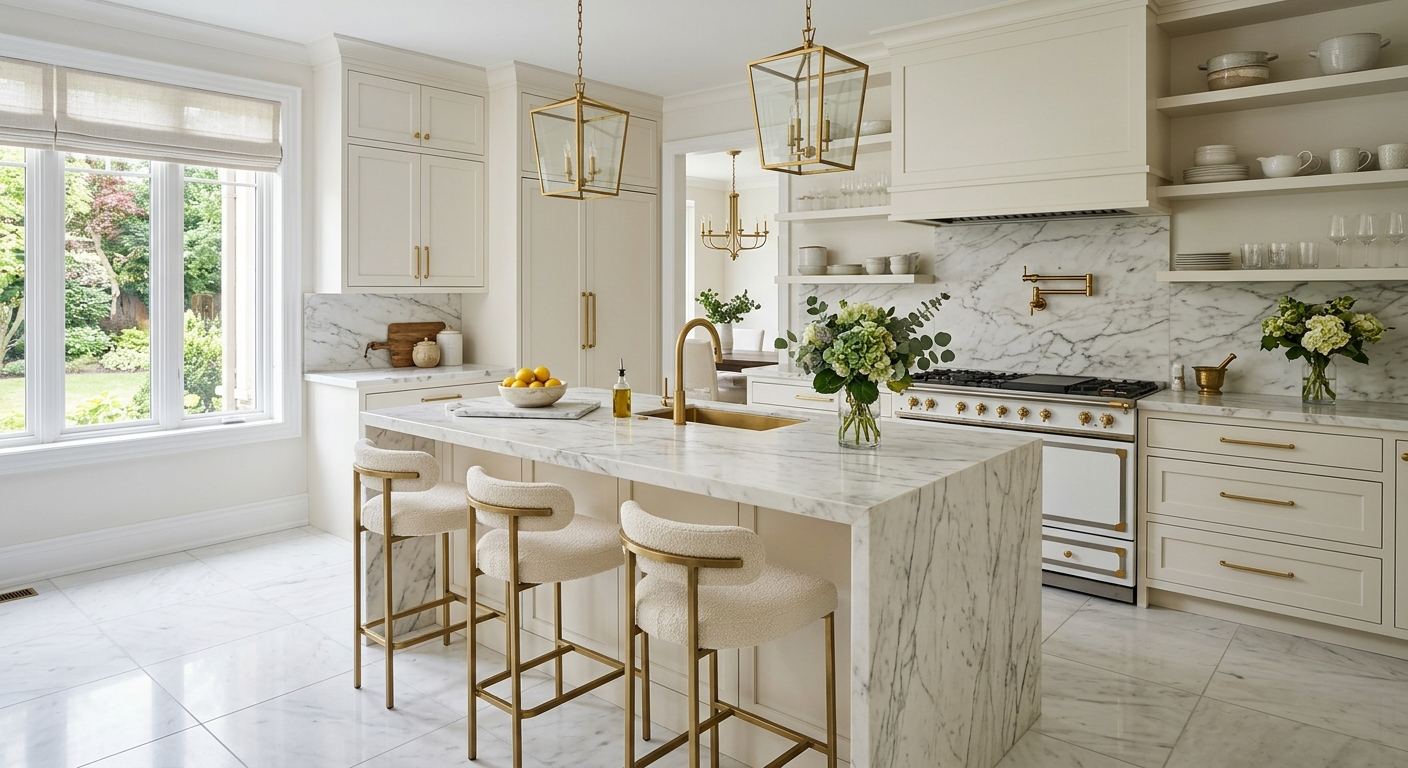
Kitchen renovation options and costs in Shuniah Township
Kitchen renovation planning in Shuniah Township, Ontario starts with picking the right scope and finish level, because even small changes can swing your total budget fast. In our area, the wider Toronto economic pull matters: the GTA is a high-expectation market where owners often refresh kitchens to protect resale value. With a 2021 population of 3,247 in Shuniah Township (Statistics Canada, 2021 Census), most kitchen projects rely on a smaller, more locally available contractor pool—so scheduling and material lead times can affect timing more than they would in a larger city. Finish expectations also track the broader economic region; homeowners in higher-value pockets of the Toronto region commonly invest a meaningful share of their home value into the kitchen (often in the 8–15% range), pushing upgrades like quartz and upgraded appliance packages. In more price-sensitive pockets, many families balance resale with affordability using refacing or mid-range cabinets.
On price, Toronto-area renovations tend to be driven less by weather than by market demand. Where weather can matter is in demolition downtime, flooring protection, and how quickly trades can work around seasonal humidity and indoor drying requirements—especially when paint, subfloor repair, or new flooring is involved. The practical outcome: quotes are often similar across the GTA, but the finish tier you choose determines whether you land closer to the low-mid range or you move into high-end territory. For Shuniah Township, trades are particularly in demand around Lake Superior shoreline communities and the Thunder Bay-area service corridor, where seasonal home circulation increases the number of renovation calls in spring and early summer.
Use the tiers below as a benchmark as you compare contractor quotes and decide what’s worth upgrading first—then we’ll break down what drives the biggest cost swings.
| Renovation Tier |
What's Included |
Typical Duration |
Price Range |
| Cosmetic refresh (paint, hardware, new appliances only) |
Cabinet hardware swap, paint (walls/ceilings), new appliance set, light trim touch-ups, basic cleaning & caulking |
3–7 days |
$25,000–$35,000 |
| Mid-range full renovation (new cabinets, counters, sink, tile) |
New semi-custom cabinets, quartz or good laminate counters, new sink & faucet, backsplash tile, select lighting refresh, new flooring prep as needed |
3–5 weeks |
$40,000–$65,000 |
| High-end full renovation (custom cabinets, stone counters, island) |
Fully custom millwork, premium quartz/stone counters, island build, higher-end appliances, extended backsplash, upgraded lighting, more complex plumbing/gas coordination |
6–10 weeks |
$70,000–$90,000 |
| Cabinet refacing only (new doors + drawer fronts, same boxes) |
New doors/drawer fronts, veneer/edge work, updated pulls, re-leveling, optional under-cabinet lighting cut-in (as permitted) |
1–3 weeks |
$10,000–$35,000 |
| Countertop swap only (laminate to quartz or stone) |
Remove existing top, measure & template, install quartz/stone, seam/layout to match your kitchen, basic backsplash rework at the countertop line |
2–5 business days (plus template/install lead time) |
$3,000–$15,000 |
| Backsplash tile installation only |
Tile supply & install (ceramic or upgraded tile), waterproofing prep, trim/edges, clean-up |
2–4 days |
$2,000–$10,000 |
Prices are estimates only and vary by project scope, site access and material selection.
What affects the price of kitchen renovation in Shuniah Township
In Shuniah Township and across the broader Ontario market, the same kitchen renovation can come in 30–50% apart because contractors price for risk and real on-site variables—especially when plans are vague. Two homeowners can choose identical cabinet “types” on paper, but one quote includes plumbing/gas coordination, electrical rough-ins, permit handling, demolition disposal, and subfloor patching while the other quote assumes “light demo” and hides surprises in later change orders. That’s why it’s normal to see mid-range jobs quoted in the $40,000–$65,000 band while other contractors push higher into the $70,000–$90,000 range when layouts, trade coordination, and premium finishes are built into the scope.
Local housing economics matter far more than climate for finish selection. In higher-value pockets of the Toronto economic region, homeowners often default to quartz or natural stone and semi-custom cabinets because these finishes are common in buyer expectations and easier to “sell” at resale. In more price-sensitive pockets, laminate and stock solutions dominate and keep ROI steadier. Toronto’s market dynamics also affect availability: popular cabinet lines and quartz slabs can book out, and lead times influence staging costs and scheduling for trades.
Concrete examples where Shuniah Township conditions can raise or lower cost: (1) older housing stock—common in many Northern Ontario communities—may require subfloor leveling or water-damage repair before cabinets sit properly, adding labour and materials; (2) moving a sink or changing a stove location triggers plumbing and sometimes gas coordination, which is typically the most unpredictable cost regardless of finish tier; (3) if your kitchen flooring is older vinyl or laminate, removing it for plumbing access can turn a “countertops only” plan into a partial replacement. Even humidity-driven installation details in shoulder seasons can create extra drying time when paint or patching is included.
| Price Factor |
Why It Matters |
Cost Impact |
| Cabinet tier — stock vs. semi-custom vs. fully custom millwork |
Higher tiers change materials, door styles, interior organization, and tolerances; custom also adds shop fabrication time |
From moderate (stock/reface) to major increases (custom). Can shift a mid-range job toward high-end totals. |
| Countertop material — laminate vs. quartz vs. granite vs. stone |
Material cost, edge profiles, fabrication complexity and seaming affect price; heavier stone may require more structural confirmation |
Laminate is budget-friendly; quartz/stone typically adds significant cost and may increase install time. |
| Layout change — wall removal, island add, plumbing/gas move |
Changes drive trades coordination (carpentry, electrical, plumbing/gas) and can introduce structural/clearance work |
Often the largest swing factor—frequently pushes projects 20–40% higher than “no-move” scopes. |
| Appliance package tier — builder vs. mid-range vs. pro-grade |
Upgrade tiers add cost and can require different power/venting clearances |
Appliance choices can move budgets by several thousand dollars even if layout stays the same. |
| Flooring — refinish existing vs. full replacement |
Cabinet base removal, subfloor prep, and moisture barrier details change scope |
Refinish/reuse keeps cost controlled; full replacement raises labour and material totals. |
| Backsplash — ceramic tile vs. marble vs. full-height slab |
Harder installs and premium materials increase setting time, waste, and specialty fabrication |
Ceramic is usually mid-low cost; marble/full-height slab can reach high-end pricing. |
| Electrical — new circuits for island, under-cabinet lighting |
Any new circuits, GFCI/AFCI requirements, and proper lighting layout can add time and inspection steps |
Can add meaningful labour and materials even when cabinet and countertop tiers are unchanged. |
| Permit fees and licensed trade requirements |
When plumbing/gas/electrical or structural changes are involved, permits and inspections add overhead |
Not every project needs permits, but those that do tend to land higher than “cosmetic-only” jobs. |
Permits & regulations in Ontario
In Ontario, a kitchen refresh like repainting, swapping hardware, replacing appliances, and even replacing cabinets and countertops typically does not require a building permit—because you’re not altering the building services or structural elements. However, permits and licensed trades are commonly required when you’re changing the plumbing supply/drain routing, relocating gas appliances, removing load-bearing walls, or adding/altering electrical circuits.
Here’s what most homeowners in Shuniah Township should think of as “permit territory” versus “no-permit territory.” Usually does not require a permit: cabinet and countertop swaps that keep plumbing/gas/electrical in the same locations; backsplash tiling; painting; installing new flooring in the existing footprint; replacing fixtures without moving lines. Usually does require a permit: moving a sink that changes drain/supply locations; moving a stove/range hood that affects venting and gas connections; relocating electrical outlets beyond simple like-for-like swaps; adding dedicated circuits for an island; and removing a load-bearing wall or making structural openings. Gas work must be performed by a licensed gas fitter, and electrical work by a licensed electrician—both involve inspections.
Step-by-step verification for your contractor: (1) ask for their licence numbers and company details before work starts; (2) request a certificate of insurance (liability) and confirm coverage limits; (3) verify they carry WSIB/WCB coverage for workers (or provide proof of coverage/clearance); (4) confirm who pulls permits in writing; and (5) keep copies of licence certificates and insurance documents for your records. Don’t sign until permit responsibility and inspection sequencing are clearly stated in the contract.
Cabinets, countertops and layout decisions in Shuniah Township
When you renovate in Shuniah Township, the three decisions that most affect your satisfaction (and your budget) are: (1) cabinet tier, (2) countertop material, and (3) whether you change the layout. Cabinet tier sets the baseline speed and cost. Stock cabinets are the fastest option, semi-custom is the most common “best balance” tier, and custom millwork is where budgets move quickly—usually because every size and panel is built to your exact plan. For resale in the Toronto region, buyers often expect clean lines, durable surfaces, and a cohesive colour story; that expectation usually pushes projects toward quartz or quality stone when budgets allow.
Countertops: laminate is budget-friendly and still performs well for day-to-day use, but it’s less impact/heat resistant than engineered stone. Quartz is popular because it’s durable, low-maintenance, and available in many modern looks. Natural stone like granite brings character and value perception, but installation and sealing considerations can add cost. Layout changes are the swing factor: removing a wall for open concept or adding an island can make the kitchen feel larger, but moving plumbing and gas lines adds licensed-trade coordination and permit steps. In practice, a move is justified when the space gain improves work triangle flow or when you’re adding seating that becomes “real daily use.”
Local “why it matters” example: if you upgrade from laminate to quartz while keeping the sink and stove where they are, you may spend within the general countertop band ($3,000–$15,000) while protecting your schedule. By contrast, moving a sink to support an island often creates knock-on costs for plumbing rough-in, ceiling access, and electrical adjustments—so even a similar finish plan can end up closer to the higher full renovation band ($70,000–$90,000).
| Option |
Durability |
Maintenance |
Best For |
Price Range |
| Stock cabinets (big-box) |
Good for everyday use; limited custom sizing can create fit compromises |
Low; wipe-clean finishes and basic tightening of hardware |
Time-sensitive refreshes and budgets that prioritize speed |
$8,000–$22,000 |
| Semi-custom cabinets (local dealer) |
Very durable construction options; better adjustability and wood/finish choices |
Low; keep hardware snug and clean spills promptly |
Most homeowners aiming for a modern look with good value |
$22,000–$45,000 |
| Custom cabinets (local millwork shop) |
Highest fit and tolerances; best for angled spaces and unique storage plans |
Low to moderate; quality depends on finish system and care |
High-end builds and homes where perfect integration matters |
$45,000–$70,000+ |
| Laminate countertop |
Moderate; can chip at edges and shows wear faster than stone with heat/impact |
Easy; avoid prolonged heat exposure and abrasive pads |
Budget-first upgrades where you still want a fresh surface |
$3,000–$7,000 |
| Quartz engineered countertop |
High durability; great resistance to stains and everyday wear |
Very low; no sealing typically required |
Toronto-region resale expectations and low-maintenance living |
$7,000–$12,000 |
| Granite / natural stone countertop |
High durability; unique surface patterns and strong performance with proper installation |
Moderate; sealing schedule depends on the stone type |
Premium aesthetic and “natural” material preference |
$9,000–$15,000 |
| Butcher block countertop |
Good but requires care; sensitive to standing water and deep cuts |
Moderate; routine oiling and prompt drying |
Family kitchens that want warmth and “craft” character |
$6,000–$11,000 |
| Marble countertop |
Beautiful but softer; can etch or stain depending on use |
Higher care; more protective habits and sealing considerations |
Statement kitchens where you’ll maintain and protect the surface |
$11,000–$18,000+ |
How to choose a kitchen renovation contractor in Shuniah Township
Choosing the right contractor in Shuniah Township is mostly about proof and clarity. In Ontario, you should verify licensing and coverage before anyone starts demo: a licensed electrician for electrical work and a licensed gas fitter for gas-related changes (when applicable). Ask for their liability insurance certificate and confirm it’s current. For worker protection, verify WSIB/WCB coverage—request proof of coverage or clearance documentation for their employees and subcontractors. If a contractor can’t provide these on request, treat it as a major warning sign.
Next, get 2–3 itemised quotes. You want labour and materials broken out, not a single lump sum number that hides allowances. Ensure the quote states what’s included in demolition and disposal, whether permit pulling is included (when required), and what happens if conditions change (subfloor repairs, hidden rot, old plumbing corrosion). Pay attention to product warranties: you’ll usually have a workmanship warranty (from the installer) and a manufacturer warranty (from the cabinet/countertop supplier). Ask whether warranties are transferable if you sell the home.
Payment schedule matters. Avoid large deposits; a responsible approach is typically no more than 10–15% upfront, then payments tied to milestones, with a holdback until the job is complete and verified. Finally, insist on a written timeline with a start date and completion estimate—materials and lead times should be referenced explicitly so you’re not guessing when delays happen.
- Request licence numbers for applicable trades (electrical/gas) and confirm they match the scope.
- Collect a certificate of liability insurance and confirm the contractor name and coverage dates.
- Verify WSIB/WCB coverage or clearance documentation in writing.
- Get 2–3 quotes with itemised labour/material breakdowns and line-by-line allowances.
- Confirm whether permits are required and who pulls them; it should be in the contract.
- Clarify demolition and disposal: what’s hauled away and what’s reused.
- Ask who verifies measurements and templates for cabinets and countertops.
- Review the scope exclusions (e.g., subfloor repairs, drywall patching, lighting fixtures).
- Confirm backsplash scope: prep, waterproofing, grout/caulk selections, and finishing details.
- Ask for warranty terms: workmanship length, manufacturer warranty terms, and transferability.
- Agree on a payment schedule with a holdback until final walkthrough is complete.
- Get the schedule in writing, including estimated lead times for cabinets and slabs.
Red flags I commonly see in Shuniah Township kitchen projects: contractors who won’t provide insurance/WSIB proof; quotes that exclude electrical/plumbing/gas coordination while still proposing a relocated island or sink; vague scope language like “allowance for countertops” without brand/specs; demanding full payment upfront; or refusing to put permit responsibility and warranty details in writing.
Frequently asked questions — kitchen renovation in Shuniah Township
Quartz vs granite countertops — which is better?
For most homeowners in Ontario, quartz is the “easier daily-use” choice: it’s very durable for everyday cooking, resists staining, and typically doesn’t require the same sealing routines as natural stone. Granite is also a premium option with natural variation and excellent durability, but it’s more dependent on the specific slab and usually benefits from periodic sealing. If you’re budgeting, quartz upgrades commonly land in the countertop band of $7,000–$12,000 depending on the layout and edge profile, while granite/natural stone is often closer to $9,000–$15,000. If your renovation is timed around cabinet installation and you want fewer variables during template and install, quartz can be the smoother path. Either way, choose a reputable fabricator and ensure proper support for heavier pieces.
Should I reface or replace my cabinets?
Refacing is usually the better option when your cabinet boxes are solid, level, and structurally sound—especially if you want a faster renovation without moving plumbing/electrical. It can also be a strong way to control costs while modernizing doors and hardware, with typical cabinet refacing budgets around $8,000–$35,000. Replacement makes sense if your boxes are damaged, sagging, or you need major layout or storage changes that refacing can’t solve (like relocating internal components or correcting chronic fitting issues). In Shuniah Township and the broader Ontario region, many older kitchens benefit from replacement only where there’s clear water exposure or extensive warping; otherwise, refacing delivers a big visual jump with less demolition. A good contractor will verify box condition before recommending a tier.
Do I need a permit for a kitchen renovation in Ontario?
In Ontario, many kitchen renovations don’t require a permit when the work is cosmetic or when services stay in the same locations. Cabinet and countertop swaps generally fall into the “no permit” category, and backsplash tiling usually doesn’t trigger permits. You typically need permits and licensed trades when you move plumbing supply/drain lines, relocate gas appliances or gas connections, remove a load-bearing wall, or add electrical circuits (for example, new island receptacles or dedicated lighting circuits). Gas work must be done by a licensed gas fitter and electrical by a licensed electrician, with inspections required. For Shuniah Township homeowners, the key step is to confirm in your signed contract who pulls permits, what inspections are expected, and how that timing affects your schedule.
What's the ROI on a kitchen renovation?
ROI varies by home value, finish tier, and whether you improve function (layout, storage, ventilation) rather than only appearance. In the Toronto economic region, higher-value neighbourhoods often see owners investing more of the home’s value into the kitchen—commonly around 8–15%—because premium finishes like quartz or stone are more aligned with buyer expectations and can help support resale value. In more cost-sensitive areas of the region, ROI tends to hold better with mid-range upgrades like semi-custom cabinets, good quartz or laminate tops, and selective layout changes. For budgeting, many homeowners target a full renovation range of $25,000–$90,000, but ROI is strongest when you keep the layout efficient and match the finish tier to the likely buyer segment. A contractor should help you plan for “buyer-ready” features without overbuilding beyond your neighbourhood’s ceiling.
How do I budget for a kitchen renovation?
Start by choosing the tier and then building your budget around the biggest cost drivers: cabinets, countertops, and layout complexity. A common way to budget is to separate scope into lines—cosmetic refresh, mid-range full renovation, or high-end full renovation—and then price each based on your selections. For example, a full mid-range renovation often lands in the $40,000–$65,000 band, while bigger custom jobs typically approach $70,000–$90,000 when you add an island, upgrade finishes, and coordinate multiple trades. Don’t forget allowances for demolition, disposal, subfloor repairs, electrical/plumbing items, and permit work where required. In Ontario, labour and materials are relatively uniform across the GTA, but the finish tier you pick changes totals quickly. Get itemised quotes so you can compare like-for-like and avoid hidden scope gaps.
Can I move my kitchen sink or stove?
Yes, you can move both in Ontario, but the feasibility depends on where lines run and how much work it triggers. Moving a sink usually means changing drain and supply locations, which typically adds plumbing work and may require a permit and inspection, depending on the extent of changes. Moving a stove or range hood can also require electrical and, if it’s a gas appliance, involvement from a licensed gas fitter for safe gas connection and venting coordination. This is why “move it” plans are often the biggest price swing even if you keep cabinet and countertop choices the same. If you want a controlled budget, consider keeping the sink and stove in roughly the same footprint and only adjust within practical distances.