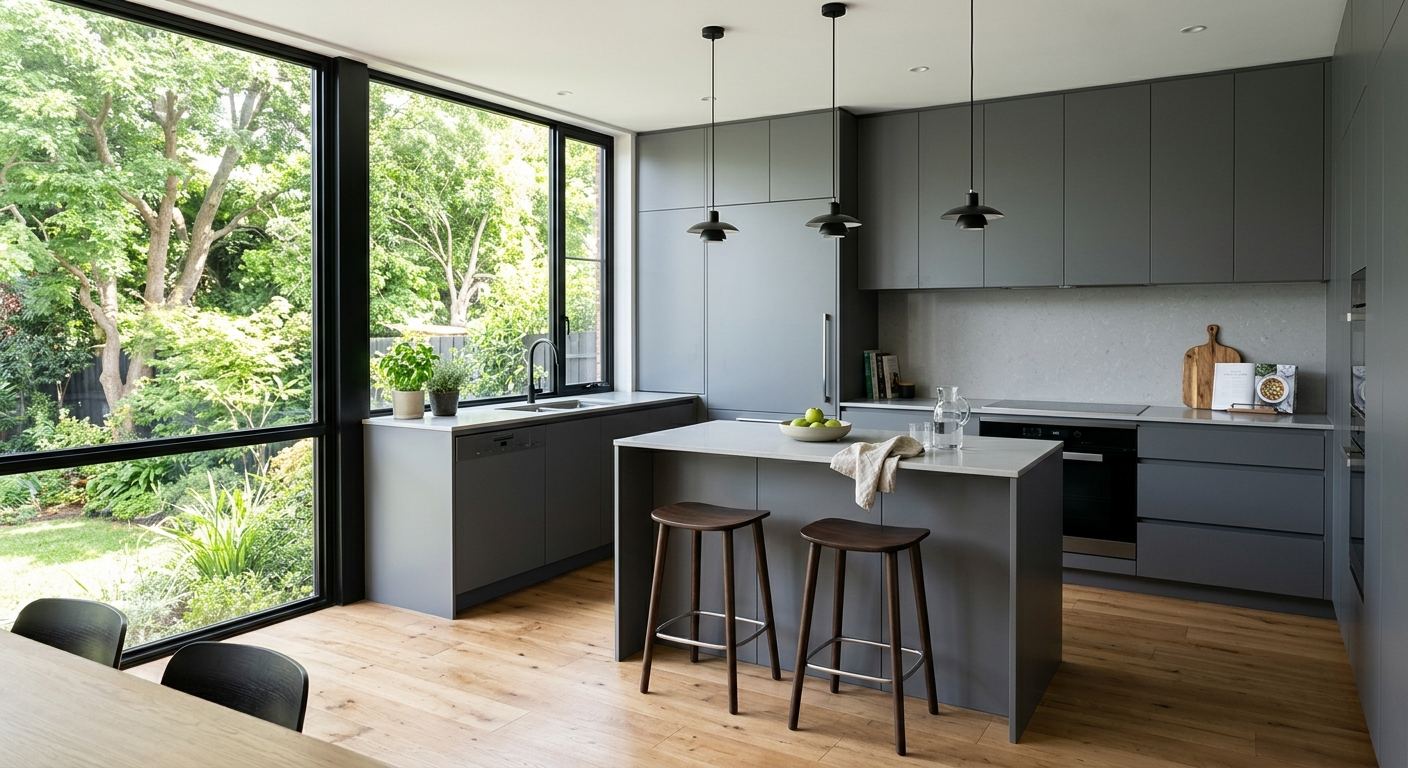
Kitchen renovation options and costs in Northwood
In Northwood, Ontario, homeowners typically start with three questions: how much it will cost, how long it will take, and whether the finish level will hold up for years. With a 2021 population of 14,017 (Statistics Canada, 2021 Census), the market is active enough that reliable trades are usually available, but peak summer schedules can still tighten. Toronto-area buyers also tend to reward kitchens that look current—especially in higher-value pockets—so many Northwood homeowners plan renovations with resale in mind, often targeting a finish tier that matches the home’s expected buyer profile. In the wider Toronto economic region, it’s common to see owners invest roughly 8–15% of their home value into the kitchen when they’re aiming for a premium look and feel.
Toronto’s climate doesn’t usually make kitchens “wear out” faster than other Canadian regions, but it does affect renovation planning: humidity swings can influence how quickly new caulking, paint, and sealants cure, and older homes sometimes have ventilation and moisture-control gaps that need addressing during renovations. Cost differences across the Toronto region are driven far more by market expectations and finish selections than weather. For example, contractors in the Northwood-area trade especially well in older post-war neighbourhoods and in homes that already have dated layouts—those are often where demand is highest for cabinet upgrades paired with layout tweaks.
To help you compare your options, the table below outlines typical renovation tiers, inclusions, durations, and realistic budget ranges for a Northwood kitchen project.
| Renovation Tier |
What's Included |
Typical Duration |
Price Range |
| Cosmetic refresh (paint, hardware, new appliances only) |
Cabinet paint/stain where applicable, new hardware, appliance swap (same footprint), basic caulking and touch-ups |
3–7 days |
$8,000–$20,000 |
| Mid-range full renovation (new cabinets, counters, sink, tile) |
New semi-custom or good stock cabinetry, quartz or solid-surface counters, sink + faucet, backsplash tile, labour for demolition/install |
2–4 weeks |
$25,000–$60,000 |
| High-end full renovation (custom cabinets, stone counters, island) |
Fully custom millwork, natural stone (granite/stone), island build, upgraded appliance package, upgraded lighting/finishes |
5–8 weeks |
$70,000–$90,000 |
| Cabinet refacing only (new doors + drawer fronts, same boxes) |
Door/drawer replacement, new mouldings, new hardware, limited trim adjustments, re-sealing |
1–2 weeks |
$8,000–$35,000 |
| Countertop swap only (laminate to quartz or stone) |
Remove existing top, install new quartz/stone, new undermount sink if specified, silicone/caulk and basic finishing |
3–7 days |
$3,000–$15,000 |
| Backsplash tile installation only |
Tile supply/installation, surface prep, new grout/silicone at edges, caulk and cleanup |
2–5 days |
$2,000–$10,000 |
Prices are estimates only and vary by project scope, site access and material selection.
What affects the price of kitchen renovation in Northwood
In Northwood and across the Toronto economic region, even “the same” kitchen can come in 30–50% apart because homeowners choose different finish tiers, different levels of layout change, and different appliance/lighting packages. While material pricing and labour rates are relatively consistent across GTA cities, higher home values tend to push expectations upward: in value-forward areas, buyers more often expect quartz or natural stone, upgraded cabinet systems, and a more custom look. That’s why many projects land anywhere from a mid-range renovation band (around $25,000–$60,000) to full high-end budgets (often $70,000–$90,000) depending on the decisions you make.
Local home values and typical household incomes shape the typical finish tier far more than climate. Toronto-market buyers can be more forgiving on an inexpensive backsplash, but they notice top surfaces and how “built-in” the cabinetry looks. In Northwood homes that have older ductwork or ventilation, contractors sometimes need to adjust range hood venting and sealing details; that can add cost even if the rest of the finishes stay mid-range. In contrast, projects that keep the plumbing and gas layout where it is often allow you to spend more on countertops.
Concrete Northwood examples we commonly see: (1) older cabinets with uneven walls can require more shimming/adjustment before installing new doors—small on paper, but it adds shop and install labour; (2) kitchens with limited 3-phase access or short circuit runs can increase electrical labour if you want island power and under-cabinet lighting; and (3) homes with original subfloor dips may need additional prep before tiling, which can raise backsplash/tile spend even when cabinet and counter budgets are stable.
Next, use the checklist-style table below to pinpoint which factors are most likely to move your budget in either direction.
| Price Factor |
Why It Matters |
Cost Impact |
| Cabinet tier — stock vs. semi-custom vs. fully custom millwork |
Custom boxes, specialty corner units, and better hardware increase manufacturing time and install precision |
Typically shifts major spend by several thousand dollars; often the single biggest driver after layout |
| Countertop material — laminate vs. quartz vs. granite vs. stone |
Material cost, templating, and edge/profile complexity change labour and waste |
Laminate is the budget-friendly route; quartz/stone commonly move you upward into mid-to-high bands |
| Layout change — wall removal, island add, plumbing/gas move |
Demolition, structural considerations, and re-routing services add uncertainty to labour and inspections |
Often adds the most unpredictable cost—commonly pushing projects beyond initial expectations |
| Appliance package tier — builder vs. mid-range vs. pro-grade |
Pro-grade finishes, ventilation performance, and electrical requirements increase both material and installation time |
Can add several thousand dollars and may require additional electrical work |
| Flooring — refinish existing vs. full replacement |
Kitchen renovations frequently disrupt floors; matching subfloor prep is labour-intensive |
Refinishing stays lower; full replacement can add noticeable cost depending on materials and prep |
| Backsplash — ceramic tile vs. marble vs. full-height slab |
Stone and tall formats require tighter tolerances and more precision setting/finishing |
Ceramic tile can fit lower budgets; marble/slab often moves backsplash into the higher end |
| Electrical — new circuits for island, under-cabinet lighting |
Licensed electrical work plus code-compliant routing can’t be “carried by the carpenter” |
Commonly adds cost even when cabinetry layout is unchanged |
| Permit fees and licensed trade requirements |
Permits and inspection timelines can affect both price and schedule |
Can add administrative cost and extend timelines when service moves are involved |
Permits & regulations in Ontario
For most Northwood kitchen refreshes, you can proceed without permits—so long as you’re not changing where the utilities run. In Ontario, cabinet and countertop swaps typically do not require a permit because they don’t alter building services. That said, permits are usually required when you move plumbing supply/drain lines, relocate a gas stove or make changes involving a gas-fired appliance, remove a load-bearing wall, or add new electrical circuits (for example, wiring for an island receptacle or under-cabinet lighting if it requires new runs).
Gas work must be performed by a licensed gas fitter, and electrical work must be done by a licensed electrician—both require appropriate inspections. A common homeowner mistake is assuming the cabinet contractor “handles it all.” In practice, the cabinet installer may only coordinate the trades, while licensed trades do the actual permitted work.
Here’s how a homeowner in Northwood can verify Ontario licensing and protection before signing: (1) ask for the contractor’s Ontario business licence number if applicable, and for their trades’ licence numbers; (2) confirm proof of liability insurance and request an up-to-date certificate of insurance; (3) verify WSIB/WCB coverage (clear evidence of coverage should be provided for workers); and (4) obtain a written statement of who is pulling permits and paying permit fees for any service changes. If the contractor can’t provide documentation, or the paperwork responsibilities are vague, that’s a major scheduling and liability risk.
Cabinets, countertops and layout decisions in Northwood
The three most consequential decisions in a Northwood kitchen renovation are cabinet tier, countertop material, and layout. First, cabinetry tier determines how fast you’ll complete the project and how “custom” it feels when it’s finished: stock is typically quickest and cheapest, semi-custom is the popular mid-range, and fully custom millwork brings the best fit (and usually the highest labour and fabrication costs). Second, countertop choice drives daily use satisfaction. Laminate is budget-friendly but less heat- and scratch-tolerant; quartz is the go-to for most homeowners because it’s durable and low-maintenance; natural stone (granite/other stone) looks upscale but benefits from informed sealing and care. Third, layout changes—like removing an open wall, adding an island, or relocating plumbing/gas—are often where budgets expand because the scope becomes unpredictable.
Because Toronto-area resale buyers tend to judge kitchens visually and by perceived quality, the ROI comes from looking “finished,” not just being new. For example, moving from laminate to quartz can be a smart upgrade: the typical countertop installation budget of $3,000–$15,000 is often well spent if it improves the overall look of the room and reduces upkeep calls later. However, it’s usually not justified to overspend on marble if you’re keeping the rest of the kitchen at a basic stock level.
In Northwood homes—especially older ones—layout decisions must also consider service routes and ventilation. Adding an island is worth it when it creates real workspace (and when electrical/plumbing can be handled cleanly), but it’s rarely the best value if you have to chase services through complex runs or structural constraints.
| Option |
Durability |
Maintenance |
Best For |
Price Range |
| Stock cabinets (big-box) |
Good everyday durability; limited door/drawer sizing options |
Simple cleaning; hardware upgrades are easy |
Fast timelines and tighter budgets |
$8,000–$20,000 |
| Semi-custom cabinets (local dealer) |
Better fit and variety of finishes; strong construction for long-term use |
Routine cleaning; occasional hardware tightening |
Most resale-focused mid-range renovations |
$20,000–$45,000 |
| Custom cabinets (local millwork shop) |
Highest build quality and tailored storage; best at awkward spaces |
Same basic care, plus more value in protecting finish edges |
Premium kitchens, unique layouts, and maximum storage |
$45,000–$80,000 |
| Laminate countertop |
Solid for day-to-day use; more vulnerable to heat and surface wear than stone |
Easy cleaning; avoid hot pans directly and use cutting boards |
Budget refreshes and rental-friendly updates |
$3,000–$6,000 |
| Quartz engineered countertop |
Very durable and resistant to staining; excellent for busy households |
Low maintenance; regular cleaner and no special sealing required |
Most Northwood families who want a premium look without heavy upkeep |
$6,000–$12,000 |
| Granite / natural stone countertop |
Highly durable; natural variation adds character |
Typically benefits from periodic sealing and careful maintenance |
High-end finishes and statement aesthetics |
$8,000–$15,000 |
| Butcher block countertop |
Durable with proper care; can be nicked but refinished |
Oil/maintenance schedule and gentle heat protection |
Warm, “heritage” kitchens and cooks who like tactile surfaces |
$5,000–$10,000 |
| Marble countertop |
Beautiful but more susceptible to etching/staining than quartz |
More attentive care (protective habits and suitable cleaners) |
Showpiece kitchens where appearance is the priority |
$10,000–$15,000 |
How to choose a kitchen renovation contractor in Northwood
Choosing the right contractor matters as much as cabinet and counter selection, especially in Ontario where permits and licensed trades can affect schedule and cost. Start with licensing and insurance verification: ask for the contractor’s proof of liability insurance and their WSIB/WCB coverage, and confirm which licensed trades they use for electrical and gas-related work. When you check coverage documents, look for current effective dates and the correct company name on the certificates. You can also ask for licence numbers for relevant trades and confirm that their documentation aligns with the work described in your scope.
Then get 2–3 itemised written quotes instead of one lump-sum number. You want labour and materials broken out by line items: demolition, cabinet installation, counter templating and install, tile/bus utilities, disposal, and any permitted work coordination. Read exclusions carefully—does the quote include permit pull (if needed), disposal and drywall patching, or floor protection? Kitchen renovations in older Northwood homes often require extra prep; a vague scope leads to change orders.
For warranty, insist on two pieces: a workmanship warranty (length and what’s covered) and product/manufacturer warranties for cabinets, countertops, and appliances if installed. Clarify whether the warranty is transferable to you. Finally, manage payment: in my experience, never pay more than 10–15% upfront, and hold back a portion until the job is complete, cleaned, and punch-listed.
- Verify liability insurance with a current certificate of insurance.
- Confirm WSIB/WCB coverage for workers (ask for proof, not just a statement).
- Ask which licensed electrician/gas fitter is used when service changes are required.
- Request 2–3 itemised quotes with labour and materials broken down.
- Confirm if permit fees and permit pulling are included or billed separately.
- Ensure disposal is included (demo debris, old appliances, and packaging).
- Check what happens if your countertop delivery is delayed—what’s the schedule plan?
- Get details on who supplies caulking, shims, fasteners, and floor/tile protection.
- Make sure the scope states whether backsplash includes waterproofing and correct underlayment.
- Confirm warranty terms in writing: workmanship duration and manufacturer warranty details.
- Use a payment schedule with small milestones and a holdback until punch list completion.
- Require a start date and completion estimate in writing, including lead-time assumptions.
Concrete red flags to watch for in Northwood: (1) no insurance or WSIB/WCB proof provided when requested; (2) a quote that’s “all-in” with no line-item scope for counters, tile, or disposal; (3) promising electrical/gas changes without mentioning licensed trades and inspections; (4) asking for large upfront payments beyond 10–15%; and (5) refusing to put timelines and warranty terms in writing.
Frequently asked questions — kitchen renovation in Northwood
What's the ROI on a kitchen renovation?
In Northwood and across the Toronto area, kitchen ROI depends less on “doing everything” and more on matching what buyers expect at your price point. High-value markets often reward kitchen renovations where finishes look current—like quartz counters, solid cabinet storage, and clean lighting—because buyers can see quality quickly. Many homeowners aim to spend around the mid-range (for example, budgets can land in the $25,000–$60,000 band for a practical full renovation) or move higher for a premium finish package. If you keep plumbing and gas locations where they are, ROI tends to be better because you’re investing in visible finishes rather than expensive service rerouting.
How do I budget for a kitchen renovation?
A good budget starts with a tier decision and a scope decision. For a Northwood homeowner, it’s common to budget either a mid-range full renovation (often in the $25,000–$60,000 range) or a higher-end project (frequently $70,000–$90,000) if you’re adding an island, upgrading cabinetry significantly, and choosing natural stone. Then plan a realistic line item for the things that commonly expand: layout changes, electrical upgrades for island receptacles/lighting, and tile prep on older subfloors. If you’re unsure, start with 2–3 itemised quotes and require line items for disposal, countertop templating, and backsplash waterproofing—those details prevent “surprise” costs.
Can I move my kitchen sink or stove?
Yes, but moving a sink or stove is where Ontario permits and licensed trades often come into play. If you’re relocating plumbing supply or drain lines for a sink, that’s typically regulated and must be done to code by appropriate licensed trades. Moving a gas stove or changing gas-related components requires a licensed gas fitter and inspections. If you only swap cabinets and countertops without rerouting services, most jobs avoid permits. To keep costs predictable in Northwood, many homeowners choose layout revisions that maintain existing plumbing/gas locations, then spend on cabinetry hardware, countertop upgrades, and backsplash style. Your contractor should clearly state who pulls permits in the written contract before work begins.
What's the most cost-effective kitchen upgrade?
Often, the best value is upgrading what you see every day without changing the plumbing or structure. In many Northwood kitchens, a countertop swap to quartz is a strong “visible upgrade per dollar,” especially when your existing cabinet boxes and layout are staying put. If you want to improve the look while controlling labour time, cabinet refacing (new doors and drawer fronts) can also deliver a big refresh without full demolition. For smaller budgets, a backsplash tile installation can add a high-end look for comparatively less spend. As a baseline, countertop installation commonly fits the $3,000–$15,000 band, while backsplash tile can land around $2,000–$10,000 depending on coverage and material choice.
Custom vs stock cabinets — is custom worth it?
Custom cabinets can be worth it when your kitchen has awkward dimensions, you want tailored storage (pantry pull-outs, specialty corner units, or a true integrated design), or you’re matching premium stone and a high-end island. However, for many Northwood homeowners, semi-custom hits the sweet spot because it’s flexible enough for most layouts without the longest lead times. Stock cabinets are typically the most budget-friendly and fastest, but they may not make the kitchen feel “built-in” if your space has irregular walls or you want specialty millwork. If your goal is staying in a mid-range renovation budget, consider directing spend toward quartz counters and a more durable cabinet tier rather than going fully custom—especially if you’re keeping layout changes minimal.
How do I choose a kitchen contractor in Northwood?
Start with proof and paperwork. In Ontario, ask for the contractor’s liability insurance certificate and confirm WSIB/WCB coverage for workers; verify that licensed electricians and gas fitters are used when electrical or gas service changes are part of the scope. Then compare itemised quotes: you want labour and materials line items (demo, disposal, cabinetry install, countertop templating/install, tile prep, and permits coordination) rather than a single lump sum. Make sure the scope clearly states exclusions—like what drywall repair includes, whether backsplash waterproofing is included, and whether permit pulling is included if required. Finally, confirm warranty terms, and use a payment schedule that never front-loads beyond about 10–15%. In a local market of 14,017 residents (Statistics Canada, 2021 Census), you can often find multiple bidders—so don’t settle for a contractor who can’t clearly document insurance, coverage, and warranty details.