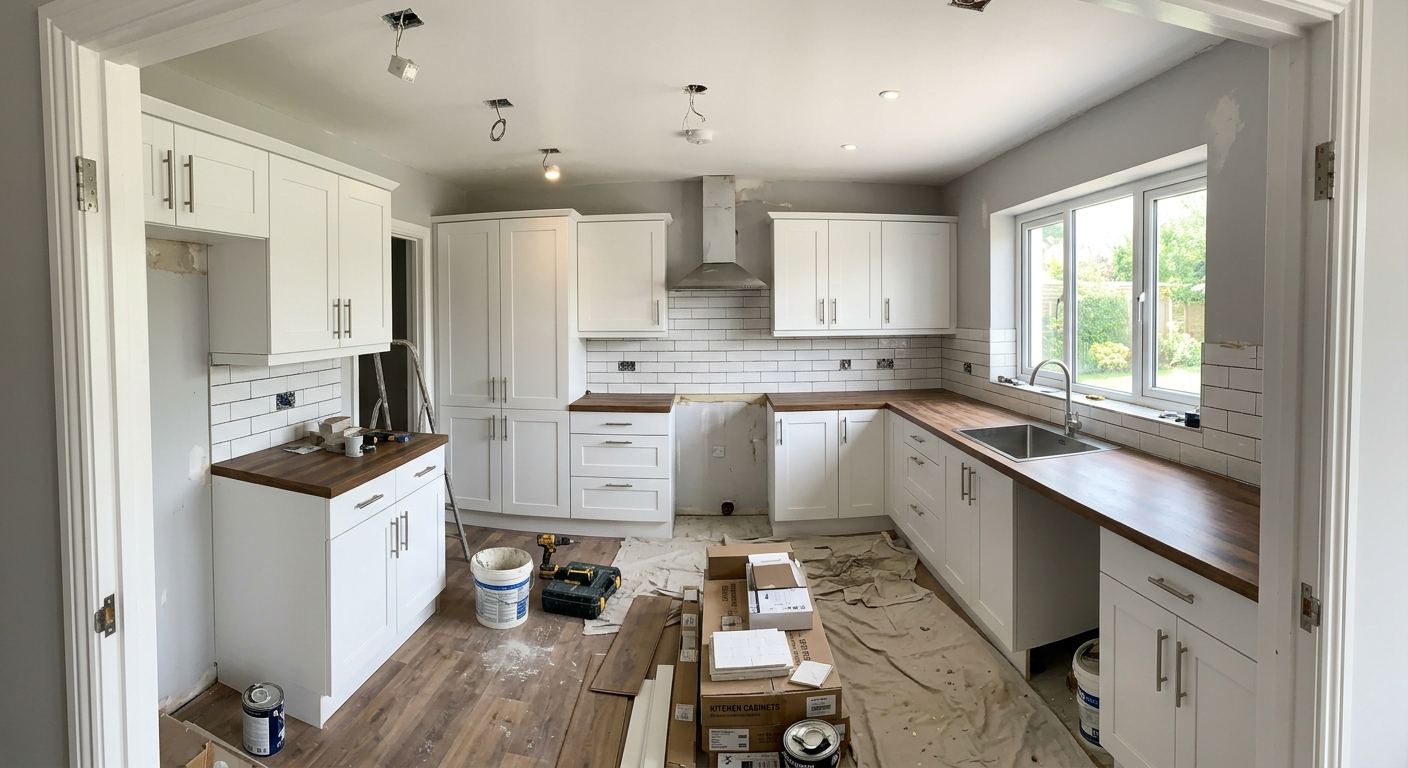
Kitchen renovation options and costs in Downtown Eastside
In Downtown Eastside, British Columbia, homeowners typically start with one of three goals: making the kitchen feel fresher, improving daily function, or preparing the home for resale. With a Downtown Eastside population of 18,477 (Statistics Canada, 2021 Census), the area draws a steady mix of owner-occupiers and investors, and that shows up in renovation choices. In the Lower Mainland–Southwest, pricing is driven more by home value, expected finish level, and buyer demand than by climate alone—so two kitchens of the same size can price very differently depending on whether the plan is a quick refresh or a full cabinetry-and-counter rebuild.
Across the region, contractor availability is generally strongest in Vancouver-adjacent work corridors, but demand also stays high around the Downtown Eastside core (especially near Strathcona, where heritage-influenced homes and older condo builds create frequent “update-and-modernize” projects). The marine climate doesn’t usually make kitchens more expensive the way it impacts roofing or exteriors, but it does influence material handling—higher humidity makes it more important to manage installation timing and sealants for tile, grout, and sub-surfaces.
As a result, most quotes still come back within the Lower Mainland–Southwest price bands: a full kitchen renovation often falls between $40,000–$120,000, while smaller scopes like cabinets, counters, and backsplash land in the mid-to-lower ranges. Use the table below to compare typical tiers before you contact contractors for itemised estimates.
| Renovation Tier |
What's Included |
Typical Duration |
Price Range |
| Cosmetic refresh (paint, hardware, new appliances only) |
Cabinet paint or repaint, new pulls/handles, appliance swap, basic caulking and re-sealing at sink |
3–10 days |
$8,000–$25,000 |
| Mid-range full renovation (new cabinets, counters, sink, tile) |
New stock or semi-custom cabinets, countertop installation, sink and tap, backsplash tile, new flooring transitions as needed |
3–6 weeks |
$40,000–$80,000 |
| High-end full renovation (custom cabinets, stone counters, island) |
Fully custom millwork, quartz or natural stone counters, island build, elevated hardware, upgraded backsplash (including thicker stone/large format tile) |
6–12 weeks |
$80,000–$120,000 |
| Cabinet refacing only (new doors + drawer fronts, same boxes) |
Door/drawer front replacement, new hardware, finish prep and re-install; often includes minor hinge/adjustment work |
1–3 weeks |
$8,000–$35,000 |
| Countertop swap only (laminate to quartz or stone) |
Remove old tops, new countertop template, install new quartz/stone, reseal edges and reconnect sink |
1–2 weeks |
$15,000–$45,000 |
| Backsplash tile installation only |
Tile supply (allowance), layout, install on existing walls, grout/seal, caulk at counters and edges |
2–7 days |
$1,500–$6,000 |
Prices are estimates only and vary by project scope, site access and material selection.
What affects the price of kitchen renovation in Downtown Eastside
In the Lower Mainland–Southwest, it’s common to see the same kitchen renovation come back 30–50% apart once you compare proposals from different contractors—and that spread usually isn’t about the weather. It’s about local economics: higher home values and stronger buyer expectations in the region push many owners toward quartz or stone counters and semi-custom cabinetry, because the added finish level tends to hold value on resale. In lower-cost areas, the ROI math often favours laminate surfaces and more basic stock cabinetry. Climate still matters, but primarily for execution: Downtown Eastside’s coastal conditions make timing, moisture control, and surface prep more important for tile, grout longevity, and cabinet finish performance.
Layout changes are the most unpredictable cost driver regardless of finish tier. Removing a wall, adding an island, or moving a gas line or plumbing supply typically forces additional carpentry, inspection steps, and trade coordination—so even a modest $40,000–$80,000 plan can climb quickly if the work scope expands.
Concrete examples we see in Downtown Eastside: first, older homes and some original condos often have dated rough-in, so “same-location” sink installs can still reveal missing shutoffs or non-standard shutoff clearance—adding repair labour. Second, if you want under-cabinet lighting and new outlets for code-compliant spacing, electrical labour adds up fast. Third, floor transitions (between kitchen and adjacent rooms) can require extra subfloor prep if you’re replacing tile or leveling after cabinet removals, which can widen the gap between “refresh” and “mid-range full.”
| Price Factor |
Why It Matters |
Cost Impact |
| Cabinet tier — stock vs. semi-custom vs. fully custom millwork |
Build quality, interior options, door styles, and fit-to-wall customization change labour time and material cost |
Often swings the total by roughly 15–40% |
| Countertop material — laminate vs. quartz vs. granite vs. stone |
Material price and installation complexity (edge profiles, seam count, thickness) drive the labour/material split |
Can add $3,000–$25,000 depending on finish tier |
| Layout change — wall removal, island add, plumbing/gas move |
Triggers more trades, inspections, and carpentry; also increases uncertainty in rough-in conditions |
Commonly increases a mid-range job by $8,000–$30,000 |
| Appliance package tier — builder vs. mid-range vs. pro-grade |
Sizes, venting requirements, and finish matching affect cabinet modification and electrical needs |
Typically varies by $2,000–$12,000+ within the same layout |
| Flooring — refinish existing vs. full replacement |
Cabinet removal often changes how much subfloor prep and underlayment is needed |
Often changes costs by $1,500–$10,000 |
| Backsplash — ceramic tile vs. marble vs. full-height slab |
Weight, cutting complexity, and height/coverage change labour hours and material handling |
Can move backsplash scope from $1,500 to $6,000+ and beyond |
| Electrical — new circuits for island, under-cabinet lighting |
Extra circuits, cable runs, and lighting/controls require licensed work and inspection |
Commonly adds $1,000–$8,000 |
| Permit fees and licensed trade requirements |
Some work needs permits, and scheduling licensed trades increases coordination time |
Usually adds $500–$3,500+ depending on scope |
Permits & regulations in British Columbia
In British Columbia, a countertop swap or cabinet replacement (where you’re not altering the plumbing, moving gas, or changing load-bearing structure) often does not require a permit. However, Downtown Eastside kitchens still commonly include “hidden” work that crosses into permit territory: moving plumbing supply/drain lines, relocating a gas stove or adjusting gas connections, removing a load-bearing wall, or adding new electrical circuits (for an island, new lighting, or required outlets). When you see any of those in the scope, expect permits and licensed trades.
Step-by-step, here’s how a homeowner can verify credentials in Downtown Eastside before signing: (1) ask the contractor for their valid BC licence details and show you the licence documentation they use for projects; (2) request a certificate of liability insurance—confirm it covers renovation work at your address and that the expiry date is current; (3) confirm WSIB/WCB coverage where applicable for the trades involved (your contractor should provide evidence, and they should coordinate subtrades who also carry coverage); (4) ask whether permits will be pulled by the contractor or by you—then ensure responsibility is written in the contract; (5) verify inspection steps for electrical and gas work: gas must be done by a licensed gas fitter, and electrical by a licensed electrician, and both require inspection before energizing/commissioning.
Always confirm permit responsibility with the contractor before signing—don’t rely on verbal assurances, especially where plumbing/gas/electrical scope changes are involved.
Cabinets, countertops and layout decisions in Downtown Eastside
In Downtown Eastside, the three most consequential kitchen renovation decisions are cabinet tier, countertop material, and layout changes—because they drive both buyer perception and the complexity of labour and trade coordination. Cabinet tier choice is the first lever: stock cabinets are typically the fastest and cheapest, semi-custom is the most popular mid-range because you get better sizing options and interior upgrades, and custom cabinets are the highest cost but give the tightest fit around older framing quirks and irregular wall conditions. For countertops, laminate is the most budget-friendly, quartz is the balanced option many buyers expect, granite/natural stone adds premium look but needs careful edge detailing and sealing considerations, and butcher block is warm but demands more maintenance. Marble looks high-end, but it’s more sensitive to etching and needs disciplined care in busy kitchens.
Then comes layout. Open-concept wall removal, island addition, or plumbing/gas relocation can be worth it if the space gain improves flow and seating—but the cost jumps because it pulls in additional carpentry, rough-in modifications, and inspections. In the Lower Mainland–Southwest resale market, buyers often respond best to clean sightlines, consistent surfaces, and “design-led” updates at mid-range price points. That’s why you might see a practical $5,000–$10,000 premium moving from laminate to quartz and pairing it with semi-custom cabinets—often justified for resale durability and easier day-to-day upkeep. By contrast, spending heavily on a high-cost marble counter in a refresh that doesn’t address layout and storage frequently doesn’t pay back the same way.
Because Downtown Eastside housing stock includes older builds and tighter footprints, accurate measurements and realistic seam/edge planning are critical—especially in wet-area zones where humidity and splashing can challenge grout lines if prep isn’t done properly.
| Option |
Durability |
Maintenance |
Best For |
Price Range |
| Stock cabinets (big-box) |
Good for standard dimensions; more limited flexibility in fit |
Low to moderate; depends on finish quality and installation accuracy |
Fast timelines, tighter budgets, straightforward layouts |
$8,000–$25,000 |
| Semi-custom cabinets (local dealer) |
Excellent everyday durability with better sizing and options |
Low; choose quality hinges and durable finishes |
Most Downtown Eastside renovations aiming for resale-friendly results |
$20,000–$45,000 |
| Custom cabinets (local millwork shop) |
Highest durability and best fit for irregular walls and premium storage |
Low; benefits from quality hardware and proper install |
Heritage-influenced or complex layouts where fit matters most |
$35,000–$70,000 |
| Laminate countertop |
Solid for budget refreshes; can be less impact-resistant than engineered stone |
Low; avoid prolonged standing water at seams |
Cost-conscious updates where the goal is a fresh look quickly |
$3,000–$7,000 |
| Quartz engineered countertop |
High durability; resists stains and daily wear well |
Low; straightforward cleaning, manage seams and edge details |
Busy kitchens where you want a premium look without stone maintenance |
$6,000–$12,000 |
| Granite / natural stone countertop |
Very durable with natural variation and premium appeal |
Moderate; sealing and mindful care recommended |
Premium design projects aiming for “natural material” confidence |
$7,000–$14,000 |
| Butcher block countertop |
Durable but can scratch; best with proper care routine |
Higher; periodic oiling and careful water management |
Warm, traditional looks and homeowners willing to maintain |
$4,000–$10,000 |
| Marble countertop |
Beautiful but more susceptible to etching and staining |
Higher; requires careful cleaning and prompt wipe-down |
Low-spill households or kitchens used more for entertaining |
$8,000–$16,000 |
How to choose a kitchen renovation contractor in Downtown Eastside
Choosing the right contractor in Downtown Eastside comes down to proof: licensing, insurance, a clear scope, and a realistic schedule. In British Columbia, verify that the contractor is set up with proper liability insurance and that the workers/trades carry their own WSIB/WCB coverage where applicable. Ask for a certificate of insurance (showing your address/project coverage and active expiry date) and request evidence of coverage for the trades they use. For any electrical work, you should expect a licensed electrician; for any gas changes, a licensed gas fitter. Don’t let a contractor bundle gas/electrical tasks without documenting who is doing the licensed portions and when inspections will happen.
Next, get 2–3 itemised quotes. You want a breakdown that separates labour and materials (cabinet supply, install, countertop templating and install, tile labour, electrical allowances, and disposal). Confirm whether permits are included, and whether the quote covers disposal/haul-away or requires you to arrange dumpsters. Read exclusions carefully: hidden exclusions like drywall patching, subfloor levelling, or specialty trim can turn a “mid-range” quote into a costly change order. Ask for warranty details—workmanship warranty length, product/manufacturer warranty terms, and whether warranties are transferable to future owners (important for resale).
On payment, use a schedule that keeps upfront deposits to no more than 10–15%. Hold back a portion until completion and confirm milestones in writing.
Finally, demand a start date and completion estimate in writing. Renovations in Downtown Eastside can be impacted by material lead times and trade scheduling, so clarity matters.
- Ask for an itemised quote with line items for labour, materials, and allowances.
- Confirm permit responsibility in writing before signing.
- Verify liability insurance certificate and coverage expiry date.
- Confirm WSIB/WCB coverage evidence for the contractor and subtrades as applicable.
- Require licensed trades for electrical and gas work, with inspection steps noted.
- Check warranty length for workmanship and whether product warranties are transferable.
- Use a payment schedule: max 10–15% upfront, then milestone payments.
- Ask who handles jobsite protection, dust control, and debris disposal.
- Get an actual start date and a target completion date (not just “sometime in fall”).
- Confirm cabinet measurement responsibility (who templates and how changes are handled).
- Request clarification on floor prep and patching after cabinet removal.
- Ask for a change-order process with written pricing rules before work starts.
Red flags we often see with kitchen contractors in Downtown Eastside include: (1) vague scopes that don’t list what’s included for demolition, disposal, and drywall patching; (2) promises of “no permits needed” despite plumbing/gas/electrical changes; (3) refusing to provide insurance or coverage documentation; (4) requiring large upfront payments beyond 10–15% without milestones; and (5) giving only a lump-sum price without allowances or a realistic schedule for cabinet and countertop lead times.
Frequently asked questions — kitchen renovation in Downtown Eastside
Should I renovate my kitchen before selling in Downtown Eastside?
Often, yes—if your goal is to address the things buyers notice first: cabinet condition, countertop look, and functional flow. In Downtown Eastside and across the Lower Mainland–Southwest, many renovations are chosen to land in a mid-range refresh band, typically around a full $40,000–$80,000 scope, because that’s where you can replace worn surfaces and upgrade finishes without the complexity of full custom rebuilds. If your layout is already workable, a cosmetic refresh or cabinet-and-counter upgrade can be the smarter ROI path than rearranging plumbing or gas lines. If you plan major changes (wall removal, island with new electrical, or moving plumbing), expect a bigger swing in cost and permitting steps—those are worth it only when the space gain clearly improves usability for buyer expectations.
What's the most popular kitchen style in Downtown Eastside right now?
Right now, the most common direction we see in Downtown Eastside is a clean, modern transitional look: simple cabinet fronts, neutral finishes, and durable counters that read “updated” without being overly niche. Many homeowners aim for quartz or engineered stone and pair them with semi-custom cabinetry because it balances budget and fit. In practice, that often means projects in the $40,000–$80,000 range where the layout is improved with better storage (pantries, corner solutions, drawers) and a backsplash that ties the palette together. Heritage-influenced homes in the broader downtown core sometimes get a softer “warm modern” version—still contemporary in lines, but with wood tones or butcher-block accents—so it complements older character while remaining resale-friendly.
How do I know if I need to update my kitchen plumbing in Downtown Eastside?
You may need updates if your renovation scope touches plumbing supply/drain locations, or if you’re seeing symptoms now. In Downtown Eastside, older rough-ins in some homes and strata units can have shutoff valves that don’t fully close, visible corrosion, slow draining, or poor shutoff clearance behind existing cabinets. Even if you’re not moving the sink, contractors should check what’s under the sink and at the dishwasher connection before closing walls. If the plan is a countertop swap only, plumbing changes might be minimal; but if you’re relocating the sink or installing a new layout, you should expect plumbing work that may require permits and licensed trades. The safest approach is to include an allowance for “discovery” and confirm what the contractor will fix versus what becomes a change order.
What is the difference between a galley and open-concept kitchen?
A galley kitchen is a narrow, corridor-style layout with counters on two opposing sides; it tends to be efficient for cooking but can feel tight, especially if traffic passes through the space. An open-concept kitchen removes barriers to connect the kitchen to living/dining areas; it improves visibility and social flow, but it also changes how you handle ventilation, lighting, and sometimes permits if a wall is load-bearing. In Downtown Eastside, many homes start with a galley or semi-open footprint, and homeowners often convert only when the layout supports it without expensive plumbing/gas relocation. If you’re staying in a mid-range scope (often around $40,000–$80,000), you’ll usually get better value by upgrading storage and finishes rather than fully opening structural walls unless the payoff is clear.
How do I get accurate kitchen renovation quotes in Downtown Eastside?
Accurate quotes come from itemised scopes, not one-line estimates. Provide your contractor with a clear plan: which cabinets are staying or being replaced, what countertop material you want (laminate, quartz, stone), whether the backsplash changes, and whether appliances are included. Ask for quotes broken into labour and materials with allowances for items like tile, flooring transitions, and disposal. Make sure permits responsibility is specified in writing, especially if you’re moving plumbing supply/drain, relocating gas, or adding electrical circuits for an island. It’s also important to plan for lead times: cabinets and countertops may template and install on different dates, which affects scheduling. Use realistic price bands—e.g., full renovations typically range $40,000–$120,000 depending on finish level—so you can compare proposals apples-to-apples.
What's the best countertop material for a busy Downtown Eastside kitchen?
For most busy kitchens in British Columbia, quartz is the practical “best overall” choice because it’s durable, resists staining, and requires less day-to-day maintenance than many natural stones. In Downtown Eastside, where households may juggle cooking frequency and everyday spills, quartz offers a reliable balance between appearance and performance. Laminate can work well for budget refreshes, but it’s less forgiving around seams if water sits too long. Butcher block can look warm and inviting, yet it needs routine oiling and careful moisture habits. Natural stone like granite can be very durable too, but it may require sealing and more thoughtful care depending on the finish. If you’re targeting a countertop swap only, budget typically aligns with countertop installation ranges such as $3,000–$12,000 (and can be higher with complex edges or larger layouts).